

1
Applications
Aviation
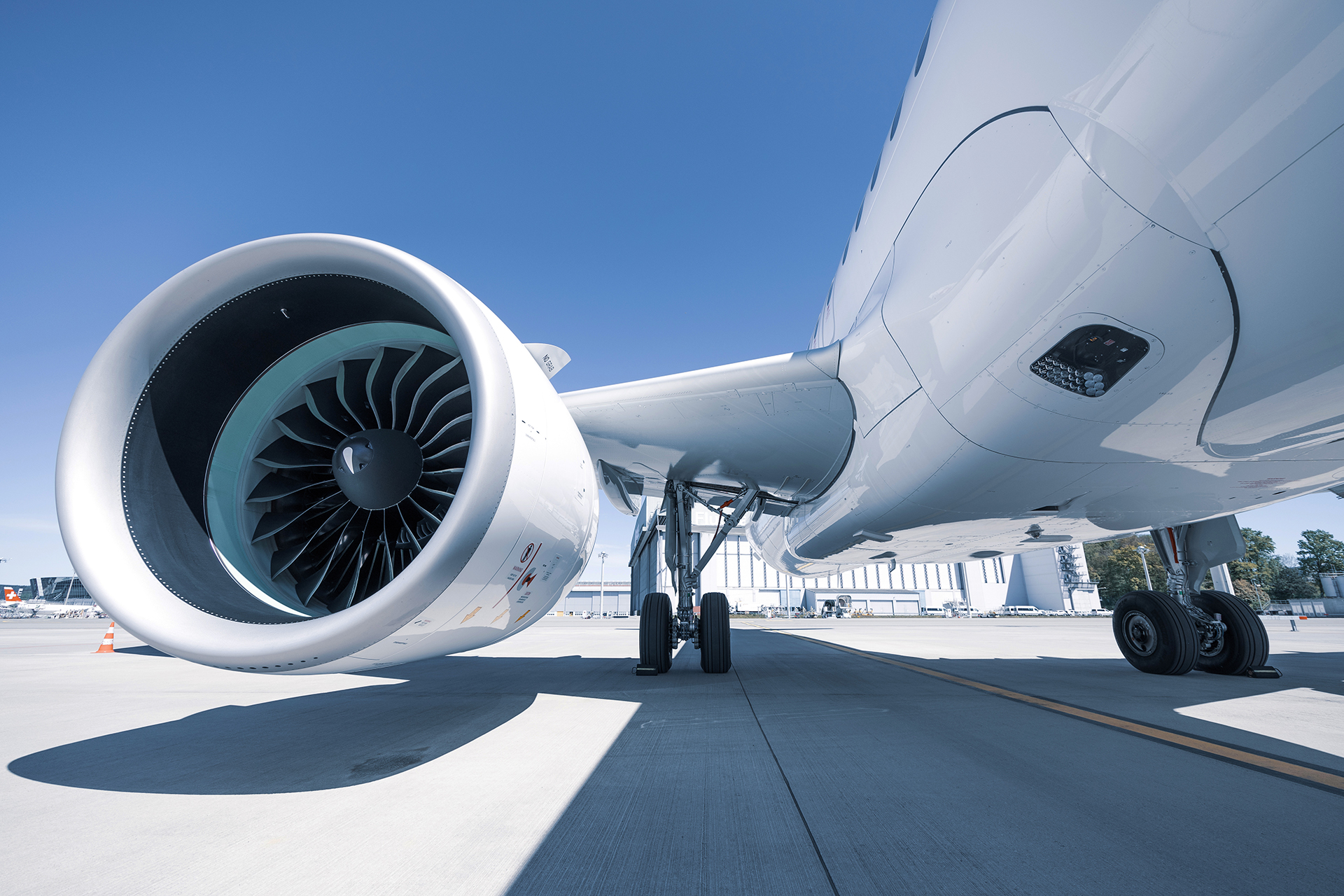
The aviation industry stands for progress, efficiency, and global networking – but all of this is unimaginable without innovative materials and manufacturing technologies. Materials must withstand extreme loads while being lightweight and durable. From fiber-reinforced plastics with high stability to heat-resistant alloys, new materials enable more efficient aircraft. They optimize both production and operation and contribute to resource-saving aviation.
Market trends
Weight reduction
Increase in manufacturing efficiency
Zero emission
Sustainable material solutions
Recycling
Urban air mobility
Focus Areas for Materials
New drive concepts like hydrogen
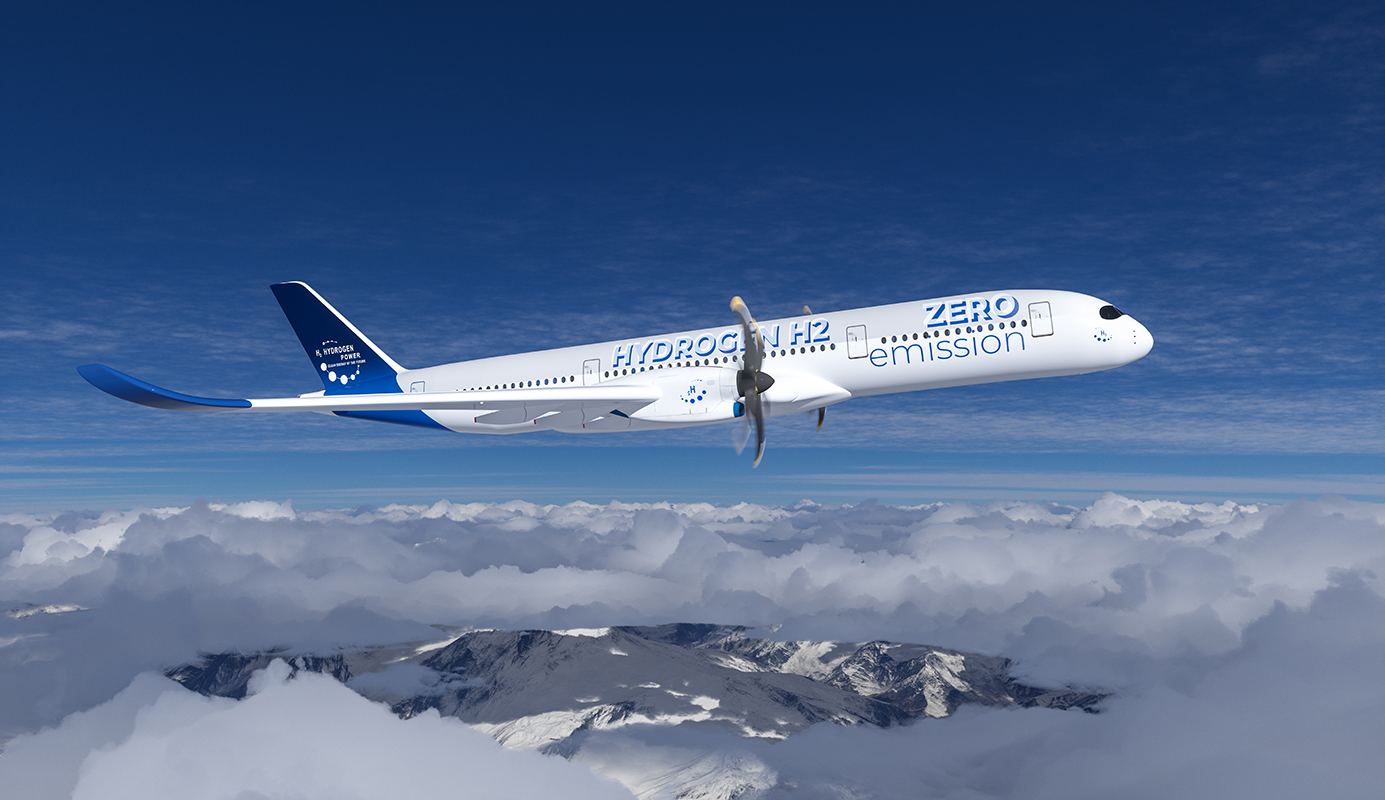
We are intensively engaged in the development of high-performance hydrogen tanks for aviation. The focus is on fiber-reinforced plastics that provide mechanical stability at low weight for both high-pressure and cryogenic storage. Especially thermosetting composite materials enable extremely resilient structures that meet the high safety requirements of aviation. Advanced manufacturing techniques such as towpreg and wet-winding allow for pressure vessels to be produced with optimized strength and minimal material usage. Research is also being conducted to optimize barrier properties in Type-V tanks to reduce hydrogen losses and increase long-term stability. These developments are a crucial step in establishing hydrogen as a sustainable energy carrier in aviation and enabling emission-free mobility for the future.

Components made from bio-based raw materials
We are researching bio-based thermosetting systems to develop sustainable alternatives to conventional plastics for aviation. The focus is on resin systems made from renewable raw materials that replace fossil-based materials while providing high mechanical strength and temperature resistance. By combining with natural fibers such as flax or hemp, high-performance composites can be created that represent environmentally friendly alternatives to synthetic fiber composites. Research is being conducted on how bio-based epoxy resins and hardeners can be optimized through targeted chemical modifications to improve the durability and longevity of the materials. These developments contribute to reducing the CO₂ footprint of aviation and advancing the use of sustainable materials in technologically demanding applications.
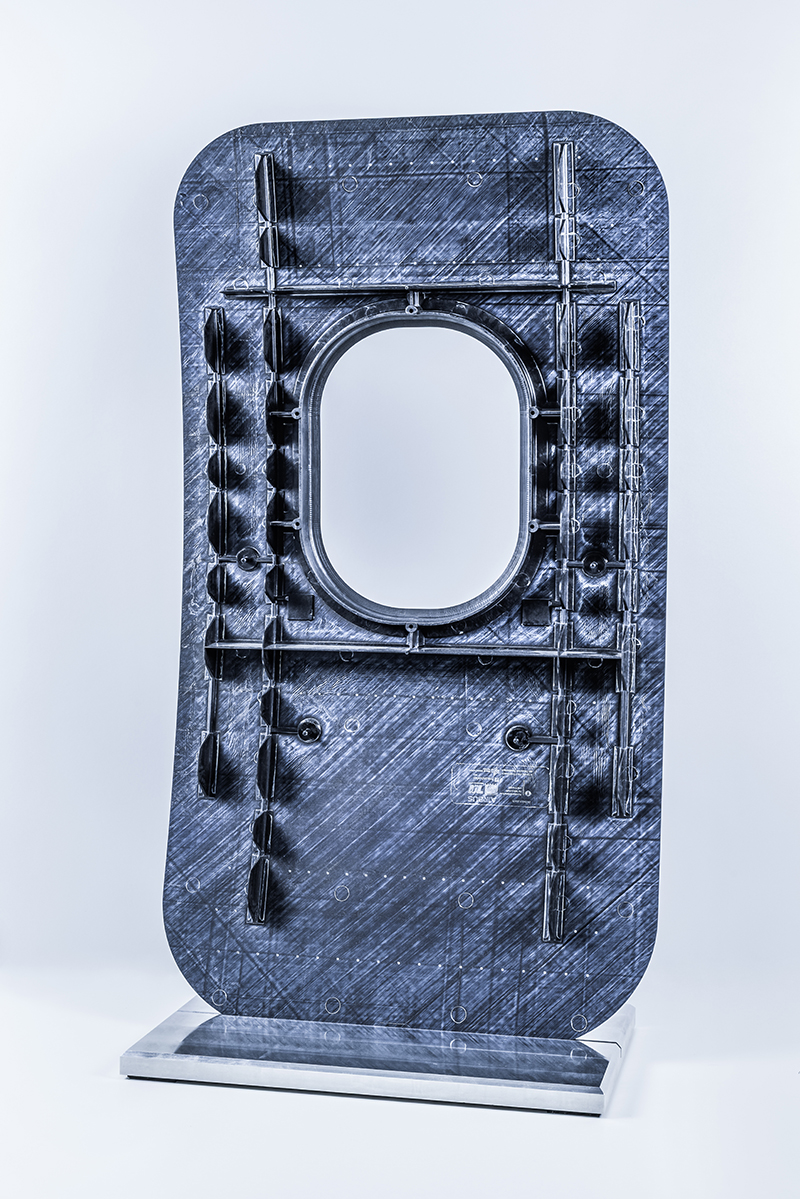
Technology Demonstrator: Emergency Exit Door Made of Thermoplastic Composite
Thermoplastic structural components
An important area of our research focuses on thermoplastic composites, which are increasingly being used in aviation as an alternative to traditional thermosetting materials. These modern materials offer numerous advantages: they are not only lightweight and highly load-bearing but can also be processed more efficiently. Their thermal formability allows for innovative manufacturing methods such as welding, press forming, and automated processing techniques that simplify the production and assembly of aircraft components. This not only reduces production times and costs but also improves reparability. Another significant advantage is their recyclability, contributing to resource conservation and sustainability in aviation. With these properties, thermoplastic composites play a key role in the development of more efficient, environmentally friendly aircraft.
Efficient manufacturing concepts
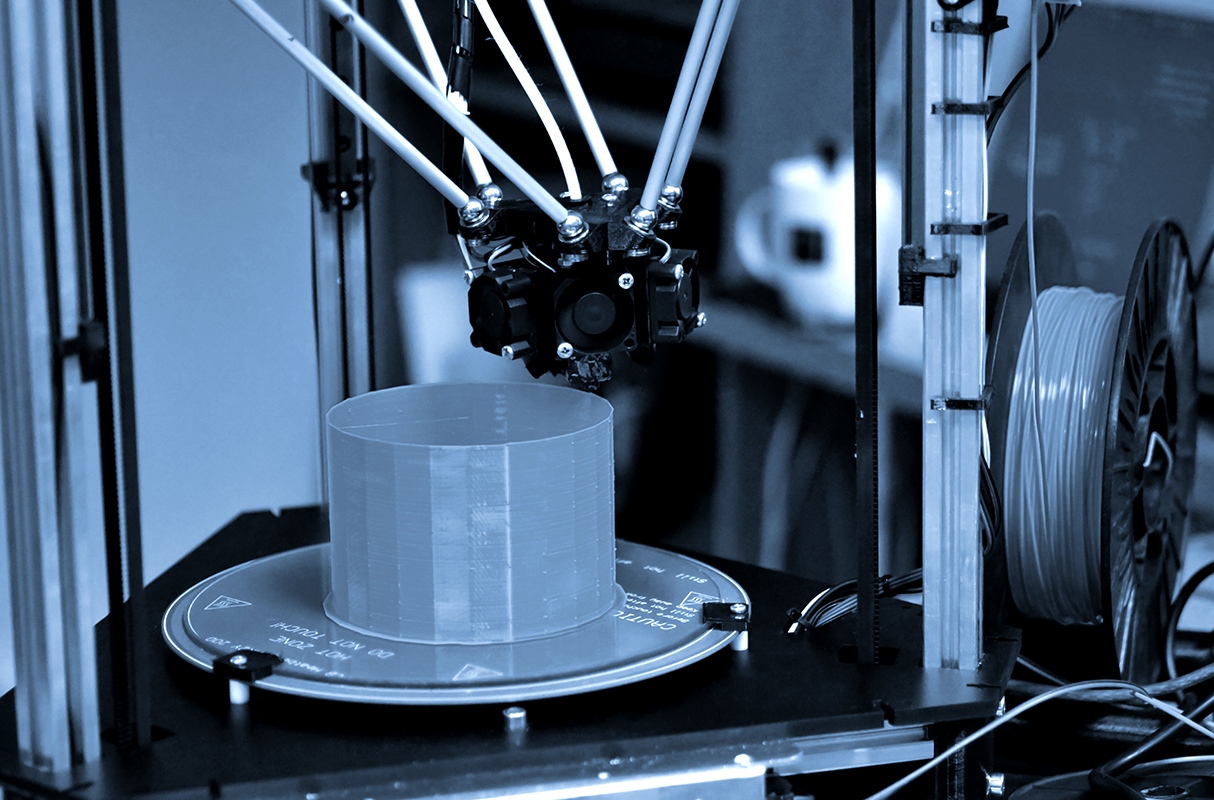
A central research area is the development of innovative manufacturing concepts for efficient series production in aviation. Both thermoplastic and thermosetting composites as well as metallic materials are the focus. The goal is to optimize manufacturing processes and materials to produce components faster, more cost-effectively, and with higher precision. Automated processes such as robotic tape laying, wet-winding, injection molding, or additive manufacturing enable flexible and resource-saving production. These developments can shorten production times, reduce material waste, and produce components with improved mechanical properties.

Non-weldable Materials
High-temperature applications such as engines
We are researching titanium aluminides to develop lightweight and high-performance components for aviation. These intermetallic materials combine the high-temperature resistance of titanium with the low density of aluminum, offering a promising alternative to nickel-based superalloys. They are particularly ideal for engine components as they can withstand extreme thermal and mechanical loads while reducing weight. A central research focus is on additive manufacturing through wire-based processes, which allows for precise and material-efficient production of complex structures. Optimized alloy compositions and innovative printing processes improve both processability and long-term stability. Thus, titanium aluminides make an important contribution to more efficient, resource-saving propulsion systems and sustainable aviation for the future.
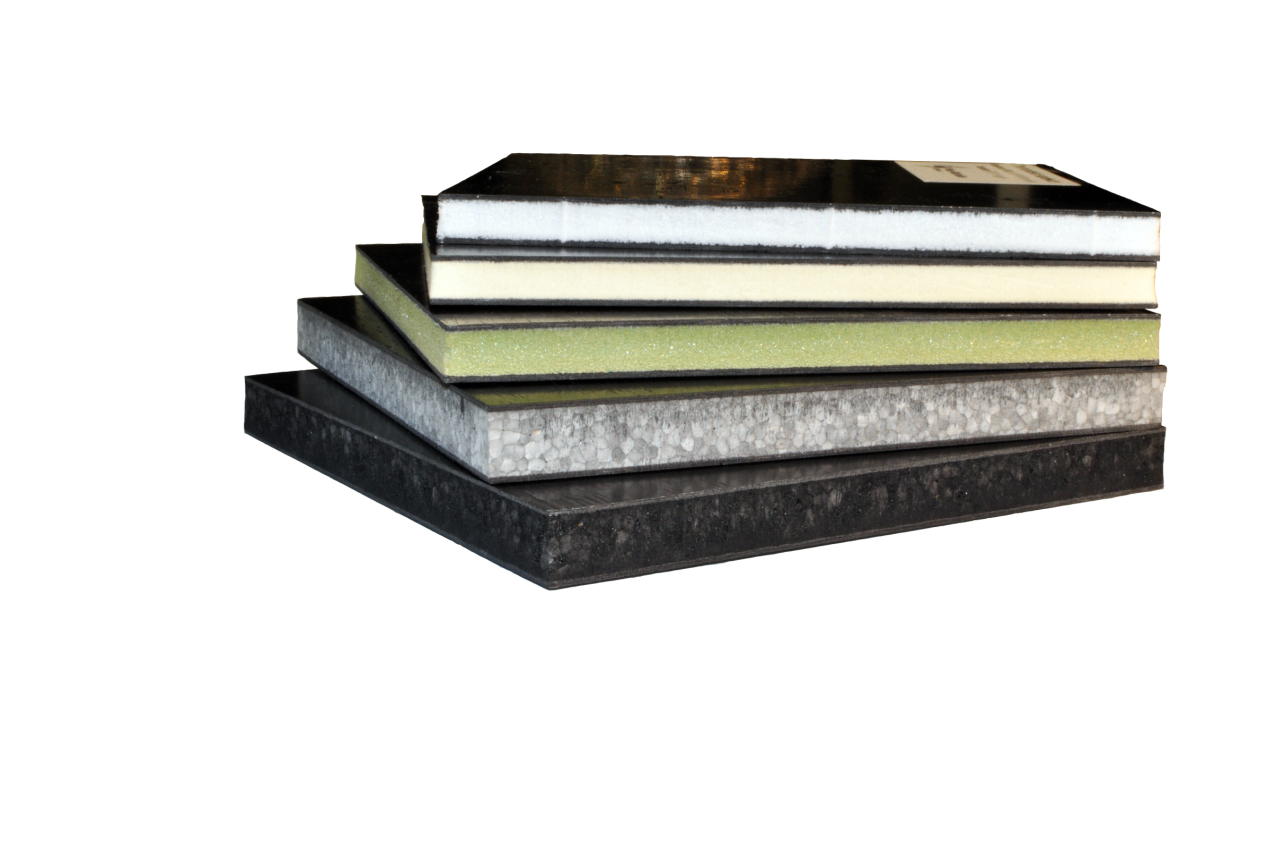
Application-oriented Sandwich Structures
Lightweight construction through sandwich concepts
We are intensively engaged in the development of high-performance sandwich materials for aviation. The focus is on both thermosetting and thermoplastic composites, with the latter scoring points for shorter manufacturing cycles and recyclability. Thanks to their high lightweight potential while maintaining high performance, sandwich materials with honeycomb cores or foams are used in sidewalls, overhead compartments, and cabin linings, among other applications. We are working on optimizing these materials, such as through the use of fusion bonding and thermoforming techniques for thermoplastic materials, optimizing flame retardant properties, or improving environmental properties by avoiding harmful substances in production. Another focus is on sustainable foam cores from recyclable or bio-based sources, which are evaluated ecologically through life-cycle analyses. These approaches aim to increase the economic viability and environmental compatibility of sandwich structures in aviation.