

1
Applications
Consumer goods
The consumer goods sector includes products for daily needs and packaging intended for private use. This includes food, clothing, sports, electronics, furniture, and household goods. Generally, a distinction is made between consumables, which are intended for single or short-term use, and durable goods, which are used for a longer period. New materials play a central role in the consumer goods sector, as they determine the functionality, durability, and sustainability of the products. We develop new materials and concepts while considering important factors such as design, cost, and recyclability.
Market trends
Recyclability and circular economy
Monomaterials
Bio-based and/or biodegradable
Functional integration and aesthetics
Lightweight solutions
Digitized manufacturing processes
Focus Areas for Materials
Packaging
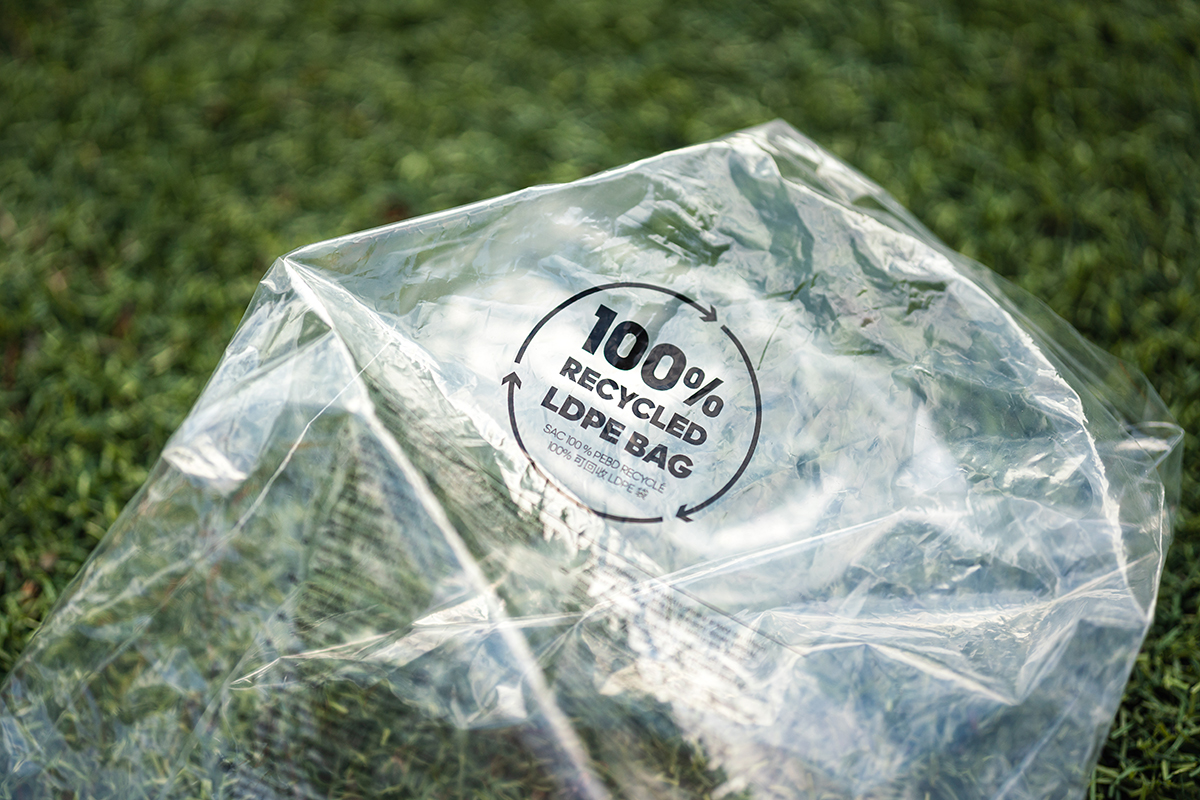
Packaging serves several central functions: it protects products from damage, contamination, and external influences, extends shelf life, and ensures safety during transport.
In times of growing environmental awareness, sustainable packaging solutions such as recyclable and biodegradable materials are becoming increasingly important to minimize environmental impact.
We are researching bio-based, compostable, or recyclable plastics to reduce environmental burdens in the packaging sector. By developing lightweight packaging as well as reusable and monomaterial solutions, we enable recycling and improve sustainability.

Sports and leisure products
Sports and leisure products are among the consumer goods that enrich the everyday lives of people and promote an active lifestyle. They include a wide range of products such as sportswear, fitness equipment, bicycles, outdoor gear, and recreational toys. These items not only offer functional benefits but also provide emotional experiences associated with health, entertainment, and relaxation. We are working on innovative material and process developments to improve sports products such as skis, bicycle helmets, and running shoes. In skis, materials like carbon fibers and Kevlar are used to reduce weight while increasing stability and flexibility. Bicycle helmets benefit from lightweight, shock-absorbing materials like expanded polystyrene (EPS), which improves impact protection and increases comfort. In running shoes, foams as sole materials with higher cushioning provide better grip, reduced fatigue, and improved performance.
Electronic devices
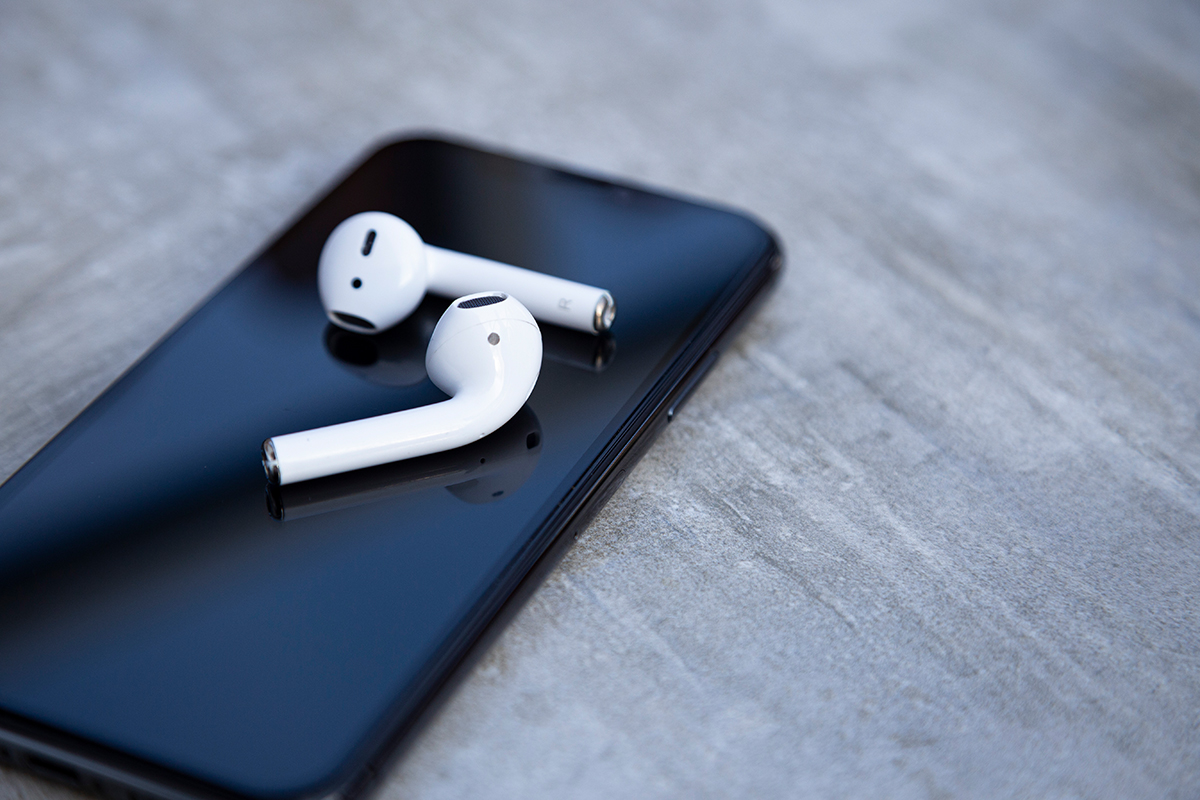
Electronic devices provide both comfort and entertainment in consumers' daily lives. They encompass a wide range of products such as smartphones, laptops, televisions, wearables, and household appliances. These devices not only offer practical advantages but also contribute to digital networking, communication, and leisure activities. They provide a combination of functionality and emotional attachment by making daily life easier and sometimes contributing to personal experiences and impressions.
In the electronics industry, we are constantly seeking innovative material and process developments that improve performance and sustainability. New materials like graphene and flexible displays are revolutionizing devices by offering lower weight, higher flexibility, and longer durability. Especially in smartphones and laptops, these innovations lead to more powerful batteries, faster processors, and lighter casings. We are working on the development of more energy-efficient components and recyclable materials to minimize environmental impact and extend product lifespan.

Household goods
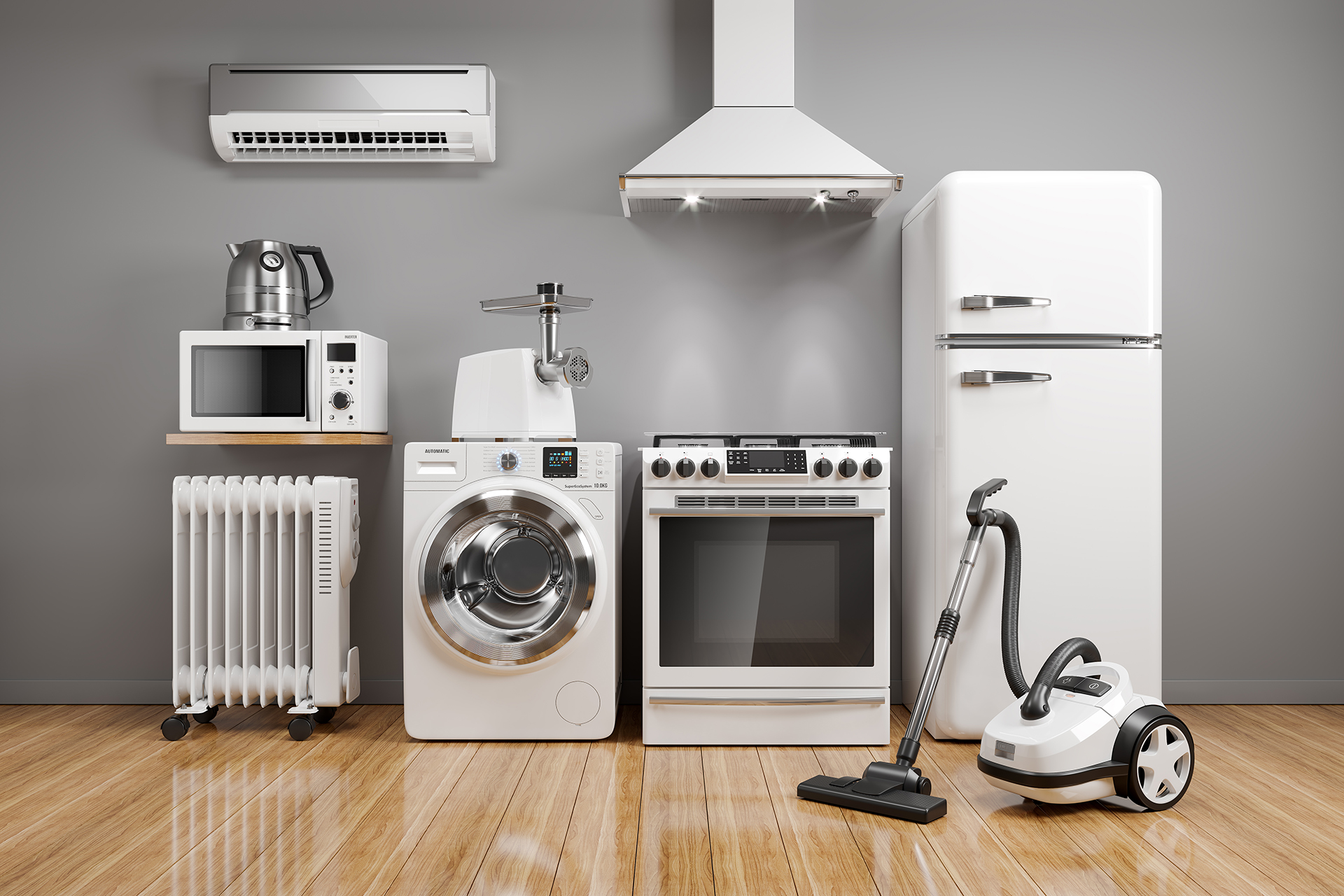
Household goods are essential for making consumers' daily lives easier by providing more comfort and efficiency in the home. They include a wide range of products such as kitchen utensils, cleaning devices, furniture, and household appliances. These products not only offer functional benefits but also contribute to improving quality of life by organizing the household, reducing workload, and enhancing well-being.
In the field of household goods, material innovations play a crucial role in improving performance and sustainability. For example, modern kitchen utensils use stainless steels that provide both durability and corrosion resistance. Cleaning devices benefit from lightweight, durable plastics and energy-saving motors that increase efficiency while reducing energy consumption. Innovative materials are also increasingly being used in household appliances like vacuum cleaners and washing machines, offering greater longevity and better performance while reducing the ecological footprint. We are researching innovative and recyclable materials that contribute to improved energy efficiency and promote sustainability in the household.