

1
Technologies
Alloying of metals
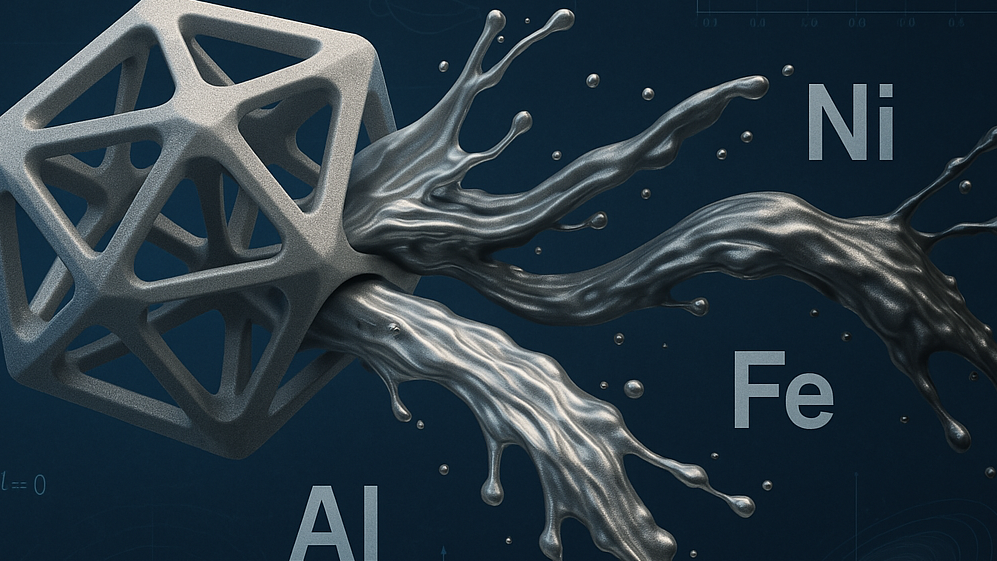
Metallic materials are used in all industries. New developments aim to address raw material scarcity, balance properties and processability, and increase material performance. However, the development of new alloys is time‑consuming and costly. Traditional experimental methods are labor‑intensive, while computer‑aided simulations and AI‑based approaches are not yet widely adopted. We offer advanced simulations for material, process, and product design, as well as modern AI models for a wide range of metallic materials and their manufacturing technologies.
Competencies
Optimization of alloy compositions for specific applications
Extensive experience in computer‑aided simulation methods for predicting alloy properties
Extensive experience in in‑situ alloying
Use of advanced manufacturing processes for high‑quality semifinished products
Advanced manufacturing processes for semifinished products
Comprehensive analytics and component testing
Processing overview
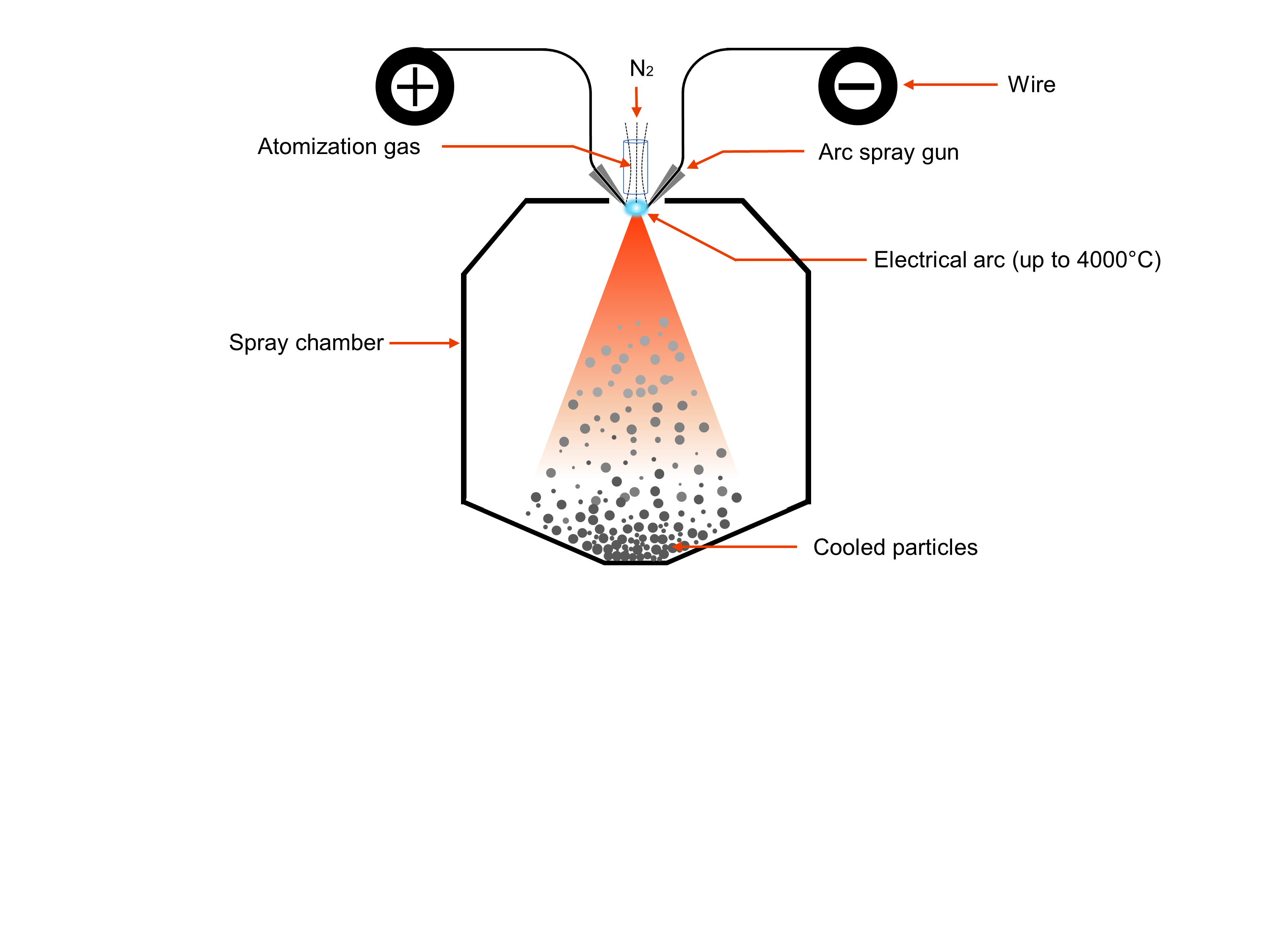
Arc inert‑gas atomization
Arc inert‑gas atomization
Metallic materials continue to play a central role in modern industry. At the same time, resource scarcity poses a growing challenge, particularly for Europe, where it threatens critical raw materials and endangers key enabling technologies.
We develop resource‑efficient materials that do not rely on critical raw materials. For specific applications, we employ our advanced manufacturing technologies, ranging from modern processes such as thermal spraying and atomization using ultrasound or arc systems to conventional methods such as vacuum casting.
In‑situ alloying plays a central role in the development of new and tailored materials. By using identical or dissimilar wires, optimized compositions can be achieved in a targeted manner to enhance essential material properties.
In the development and optimization of industrially relevant materials, we draw on many years of experience in the thermodynamic modeling of materials using the CALPHAD method (JMatPro, ThermoCalc).
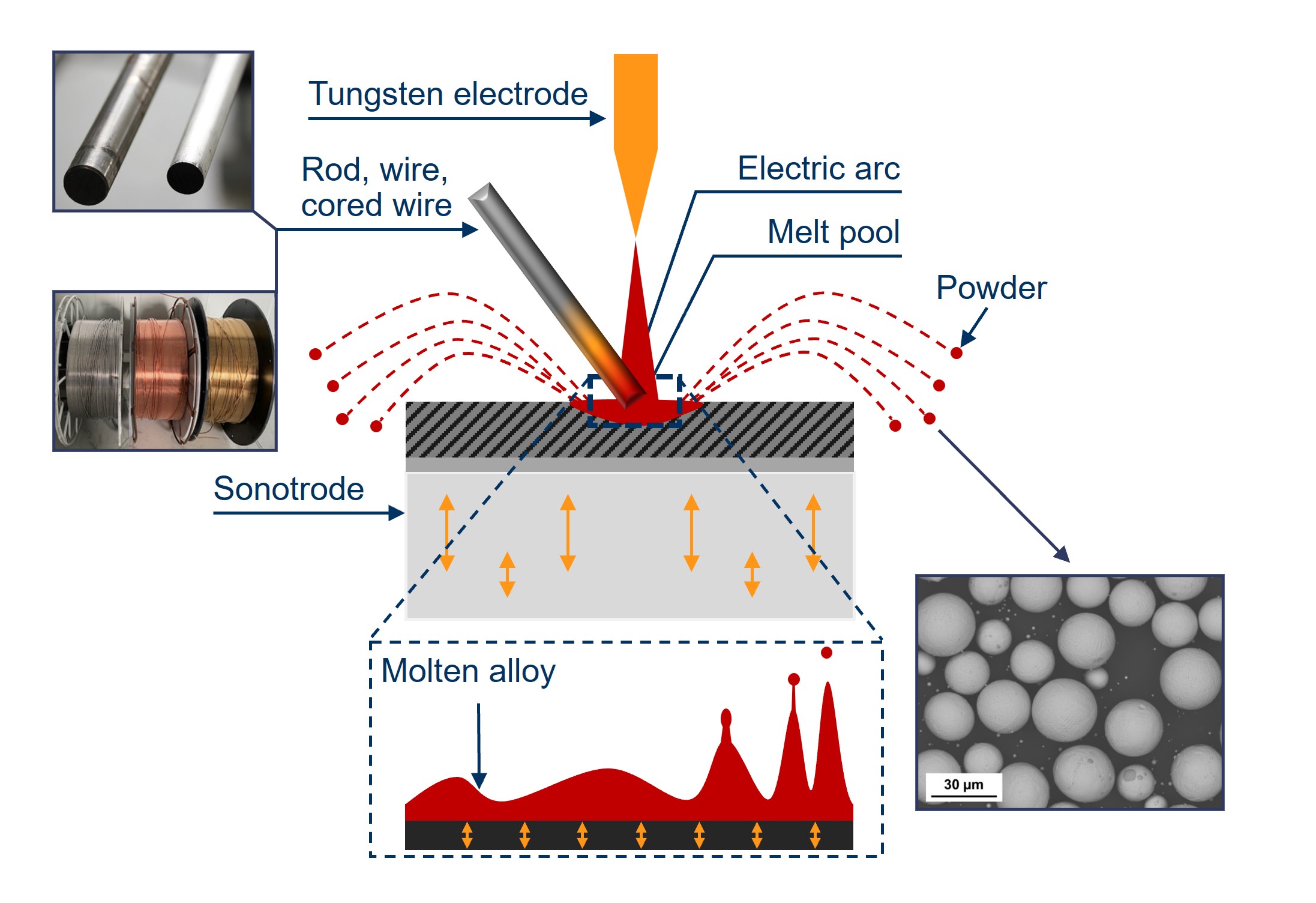
Ultrasonic atomization
Ultrasonic atomization
The development of new materials using ultrasonic atomization offers numerous advantages. In addition to processing similar or dissimilar wires, it is also possible to atomize self‑cast rods. We provide the capability to investigate the influence of different gases on alloy composition. It is particularly important to evaluate suitable materials with regard to hydrogen embrittlement or oxidation, as this represents a crucial step in selecting the appropriate materials for specific applications.
In the development and optimization of industrially relevant materials, we rely on our many years of experience in thermodynamic modeling, particularly using the CALPHAD method (JMatPro, ThermoCalc).
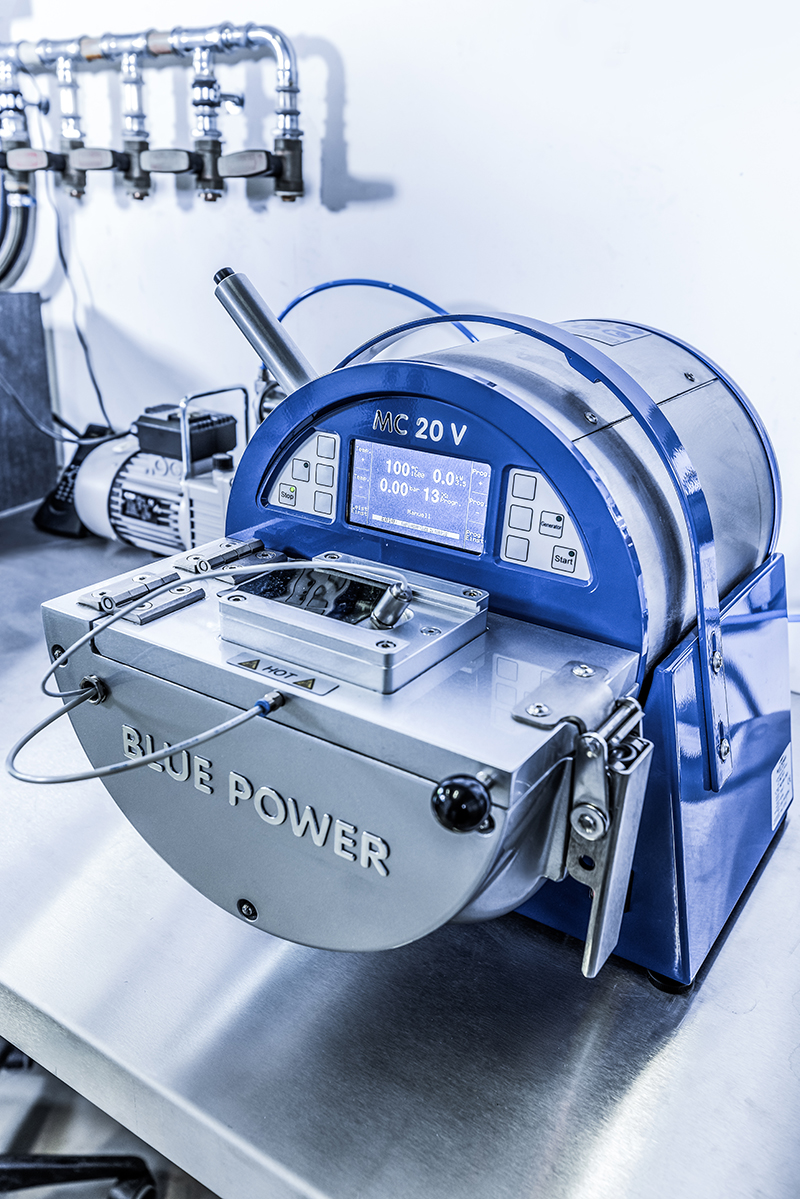
Vacuum casting
Vacuum casting
Our extensive experience in material development includes both modern technologies and established processes. We are capable of casting semifinished products such as rods, blocks, or cylinders under protective gas. The influence of different alloying elements can be economically investigated on a small scale, supported by thermodynamic modeling.
These cast semifinished products can be used in various manufacturing technologies, such as powder production, additive manufacturing, coating processes, and wire production.
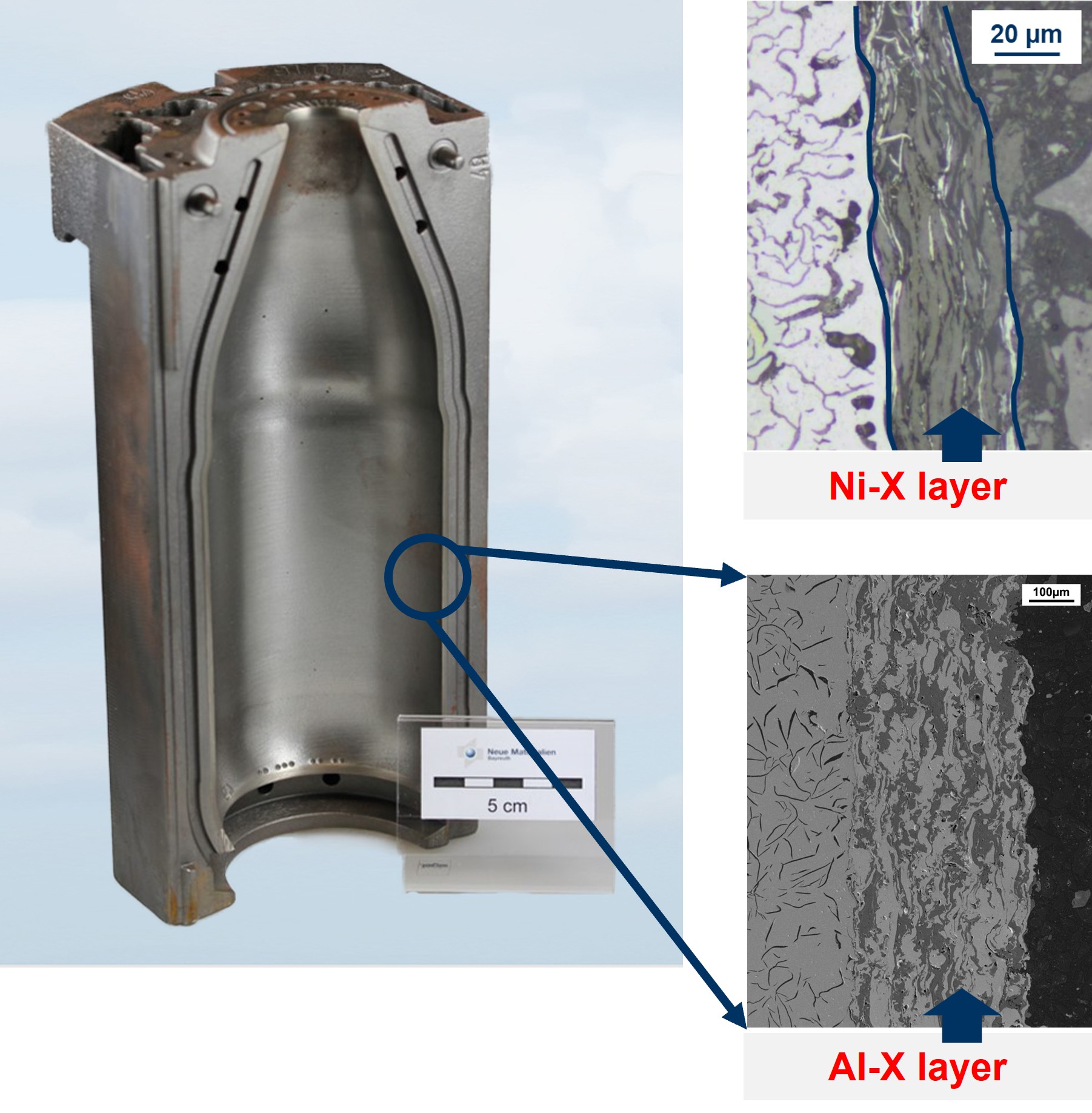
Innovative Al‑X coatings
Coatings (plasma spraying, cold spraying, arc spraying)
The coating of components plays a crucial role in ensuring their functionality, service life, and resistance to environmental influences, wear, and corrosion. With our extensive expertise in developing protective layers made of metals, polymers, and ceramics, we provide high‑performance coating materials that meet the growing demands of industry. This process is supported by simulation techniques and data‑driven methods. These newly developed protective layers can be produced using modern manufacturing technologies such as plasma spraying, cold spraying, and arc spraying. The properties of these coatings are validated through our comprehensive analytical capabilities and component testing.
A central focus lies on the precise validation of calculated material compositions and their properties, particularly with respect to the modern processing of semifinished products and powders. This approach leads to the development of innovative materials based on steel, hard metals, and composite powders, which are used in surface engineering, agriculture, and tool technology, among others.
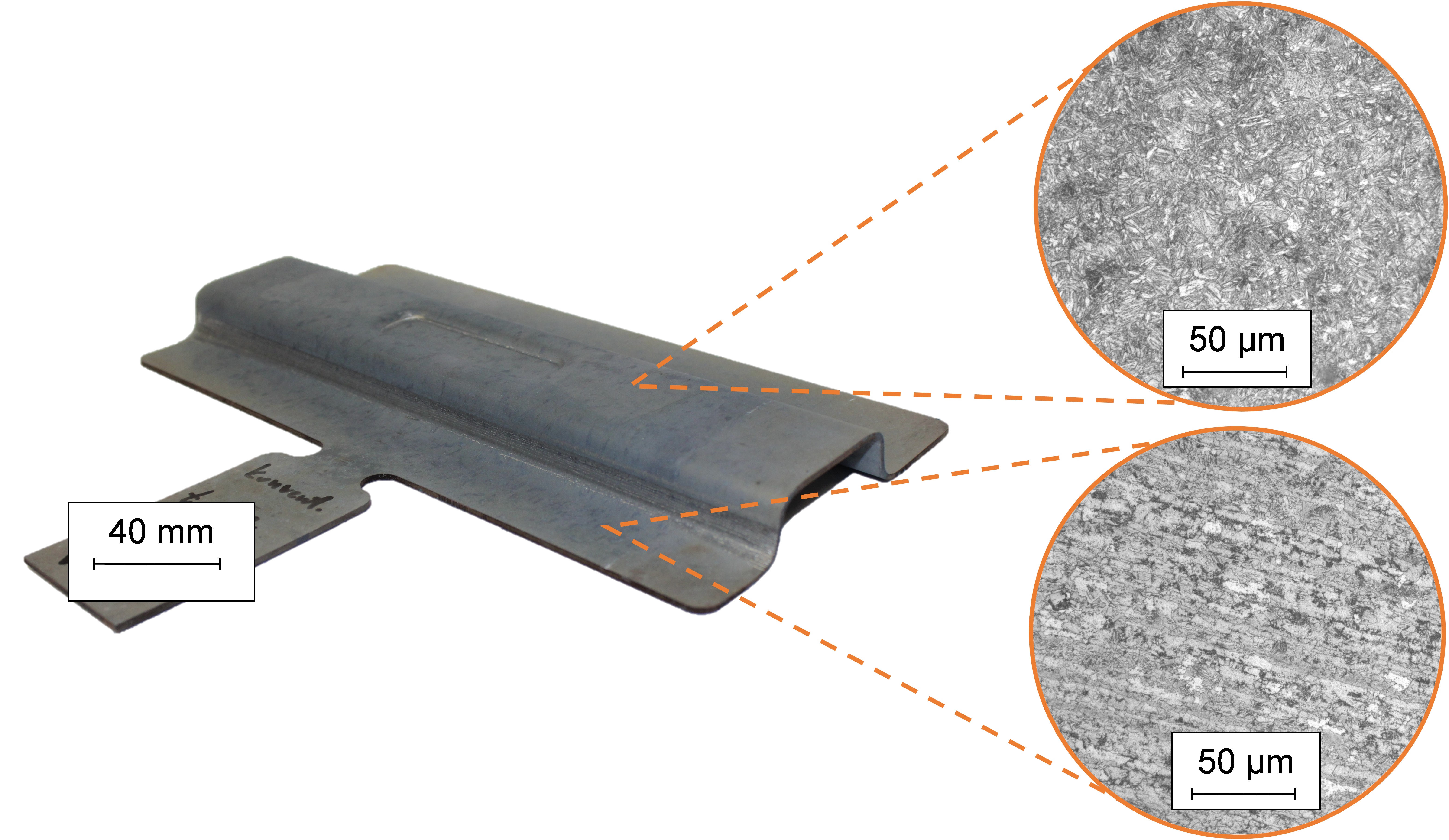
Local adjustment of component properties
Heat treatment
Heat treatment is a crucial step in nearly all manufacturing technologies for metallic materials, enabling the targeted stabilization of specific properties. We offer the development of optimized heat‑treatment strategies for various metallic materials in different conditions, such as coatings and additively manufactured components. Our work includes both experimentally determined and simulated material properties.
At NMB, thermal, mechanical, and electrical properties at different temperatures are investigated based on FEM calculations (Finite Element Method) coupled with the CALPHAD approach. These studies cover both monomaterials and multimaterials. Our expertise spans numerous technological fields — from additive manufacturing to electronics.
In recent years, we have continuously expanded our experience in both static and dynamic simulations. As a result, we are able to support our customers more quickly and efficiently in product development, particularly for ecological and economic benefits.