

1

Applications
Energy
The energy sector is both the foundation and a driving force of technological progress. Materials play a key role in the generation, storage, and transmission of energy. In view of steadily increasing energy demand, sustainability and the associated material innovations are of central importance. The spectrum of materials ranges from high‑temperature alloys and functional materials to composite materials. Novel materials thus help secure a future with sustainable and affordable energy, enabling the development and prosperity of future generations.
Market trends
Green energy generation
Efficiency enhancement
Long-term energy storage
Hydrogen technologies
Substitution of resource-critical energy materials
Recycling of energy materials
Focus Areas for Materials in Energy Storage
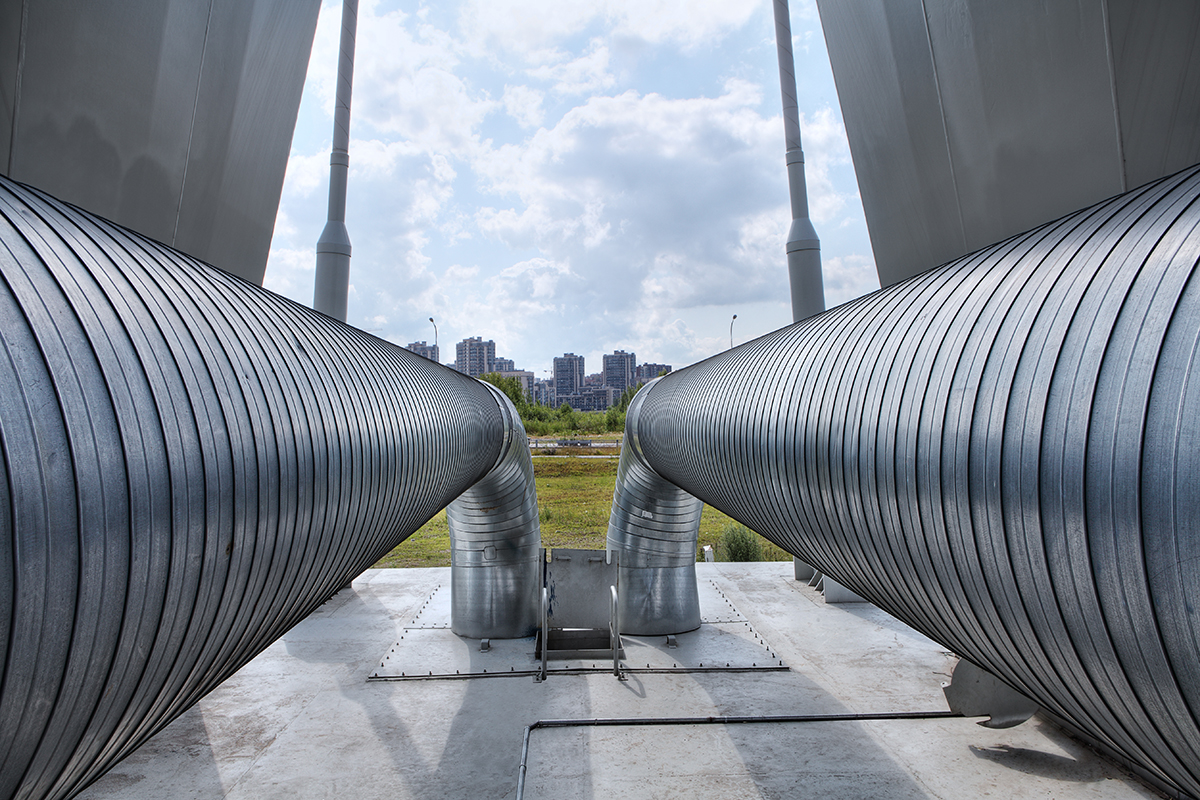
Thermal energy storage
Thermal energy storage systems are essential for efficient energy utilization, particularly in industrial process heat applications as well as heating and air conditioning. They enable on-demand supply of heat and cold by decoupling energy generation and consumption both temporally and spatially.
We investigate advanced latent heat storage systems based on phase change materials (PCMs), metal alloys, as well as insulation materials such as high‑temperature‑resistant foams and other porous materials to minimize thermal losses. Key challenges addressed include material stability at elevated temperatures, the development of durable containment materials, and the design of efficient heat transfer structures.
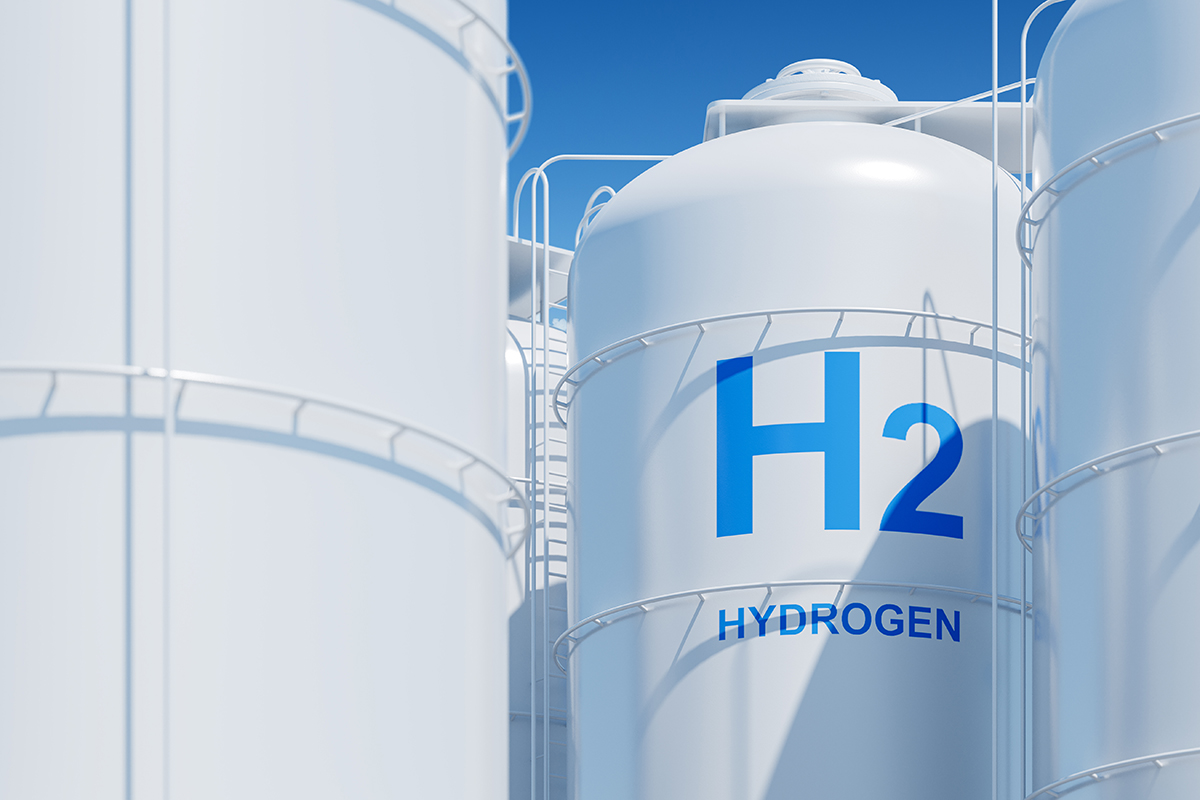
Hydrogen storage
The hydrogen industry plays a key role in the energy transition, particularly for the chemical and steel industries as well as for zero‑emission mobility. Efficient hydrogen storage is critical, as hydrogen has a low volumetric energy density and must be stored either under high pressure or in cryogenic form.
Our research focuses on advanced materials such as lightweight high‑performance and composite materials, metal hydrides, and nanoporous structures to make storage vessels safer, more durable, and more efficient. We address challenges including material fatigue, hydrogen embrittlement, and extreme temperature and pressure conditions by developing innovative solutions. We rigorously test the materials in our laboratories, for example, under cryogenic conditions.
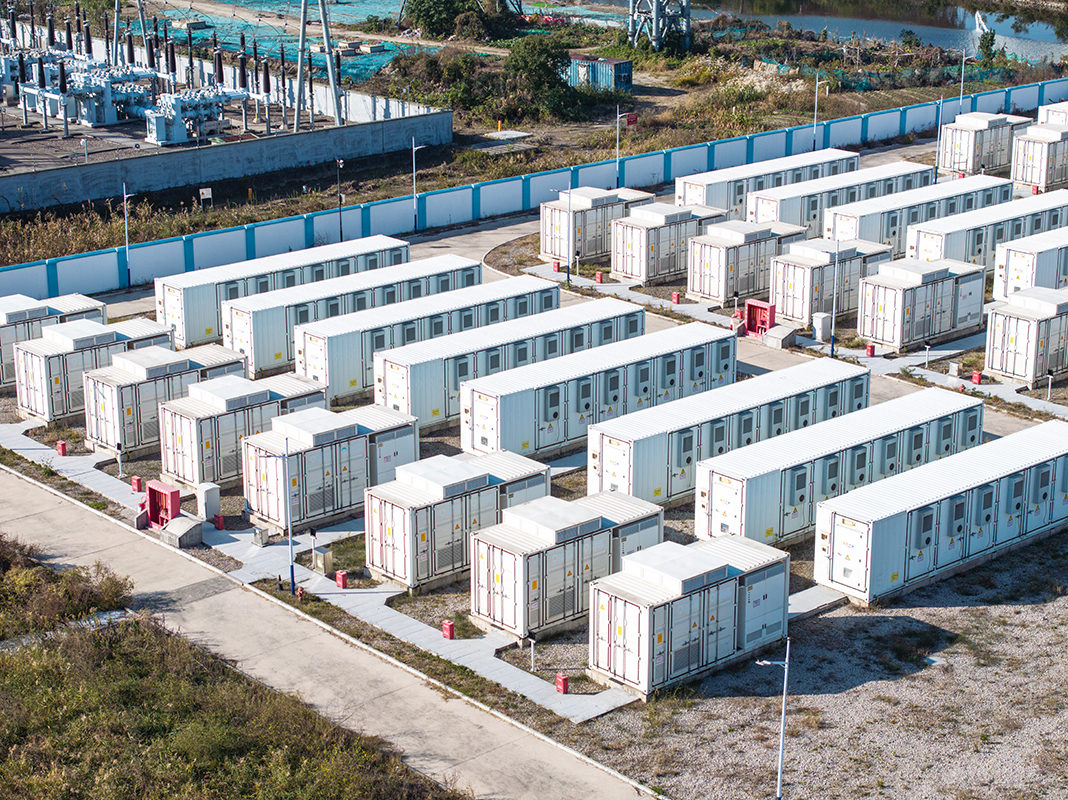
Battery storage
Battery energy storage systems are essential for the energy transition. However, their efficiency and safety strongly depend on the materials used. In particular, insulation and housing components play a crucial role, as they regulate heat, provide mechanical protection, and help prevent fires.
Our research focuses on high‑temperature‑resistant foams, fiber‑reinforced polymers, and lightweight metal alloys to improve the balance between thermal stability, protection, weight, and durability - thereby enabling high‑performance and safe energy storage solutions. In addition, we work in close collaboration with the Bavarian Battery Center (BayBatt) to further advance research on functional materials within battery systems using our technologies.
Focus Areas for Materials in Energy Generation

Wind energy
Wind energy is a central pillar of renewable energy systems; however, the durability and recyclability of materials present major challenges. In particular, rotor blades made of fiber‑reinforced composite materials, which combine high structural stability with low weight, are difficult to recycle.
Our research focuses on novel materials, hybrid material systems, and advanced manufacturing and recycling technologies to provide more sustainable solutions. At the same time, we closely monitor technical requirements such as weather resistance and material fatigue using analytical methods, with the aim of developing safe, environmentally and economically viable solutions.
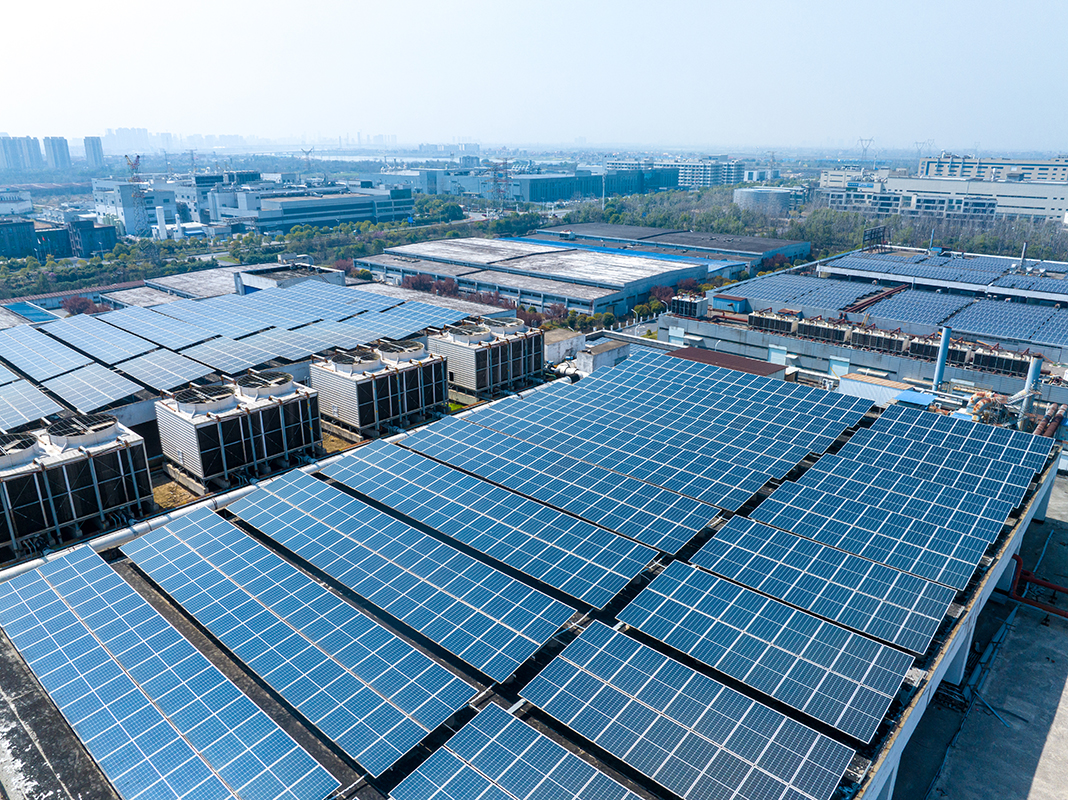
Photovoltaics and solar thermal energy
Photovoltaic and solar thermal technologies are key pillars of sustainable energy generation, with polymers and metals playing an important role. In photovoltaics, high‑purity metals such as silicon, copper, and silver ensure efficient energy conversion. However, our focus is on durable, weather‑resistant polymers used in protective films, encapsulation systems, and mounting components.
In solar thermal systems, high‑temperature‑resistant metals improve heat conduction, while insulating polymers and foams help minimize energy losses. In addition to these materials, we address material aging, recyclability, and the optimization of cost and efficiency.
Gas power plants
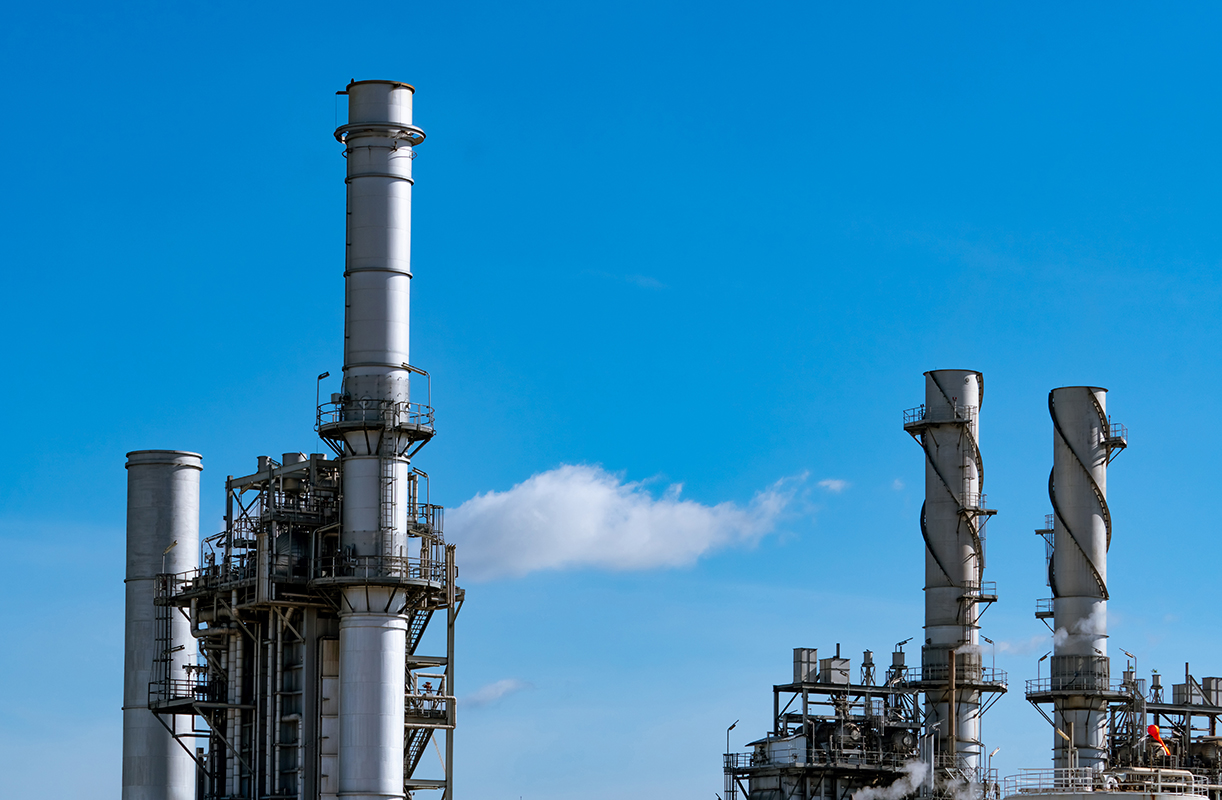
Globally, gas-fired power plants play an important role - alongside nuclear energy - in the transition to renewable energy systems. They are characterized by high efficiencies of combined-cycle gas and steam turbines of up to 60% and significantly lower carbon dioxide emissions compared to coal-fired power plants.
For safe and efficient operation, turbine blades are a critical and highly stressed component. Our research focuses on materials that can withstand extreme operating conditions, including temperatures exceeding 1,000 °C and high mechanical loads, while remaining lightweight to enhance efficiency. These include, for example, novel titanium alloys and advanced forming processes.