

1
Applications
Construction
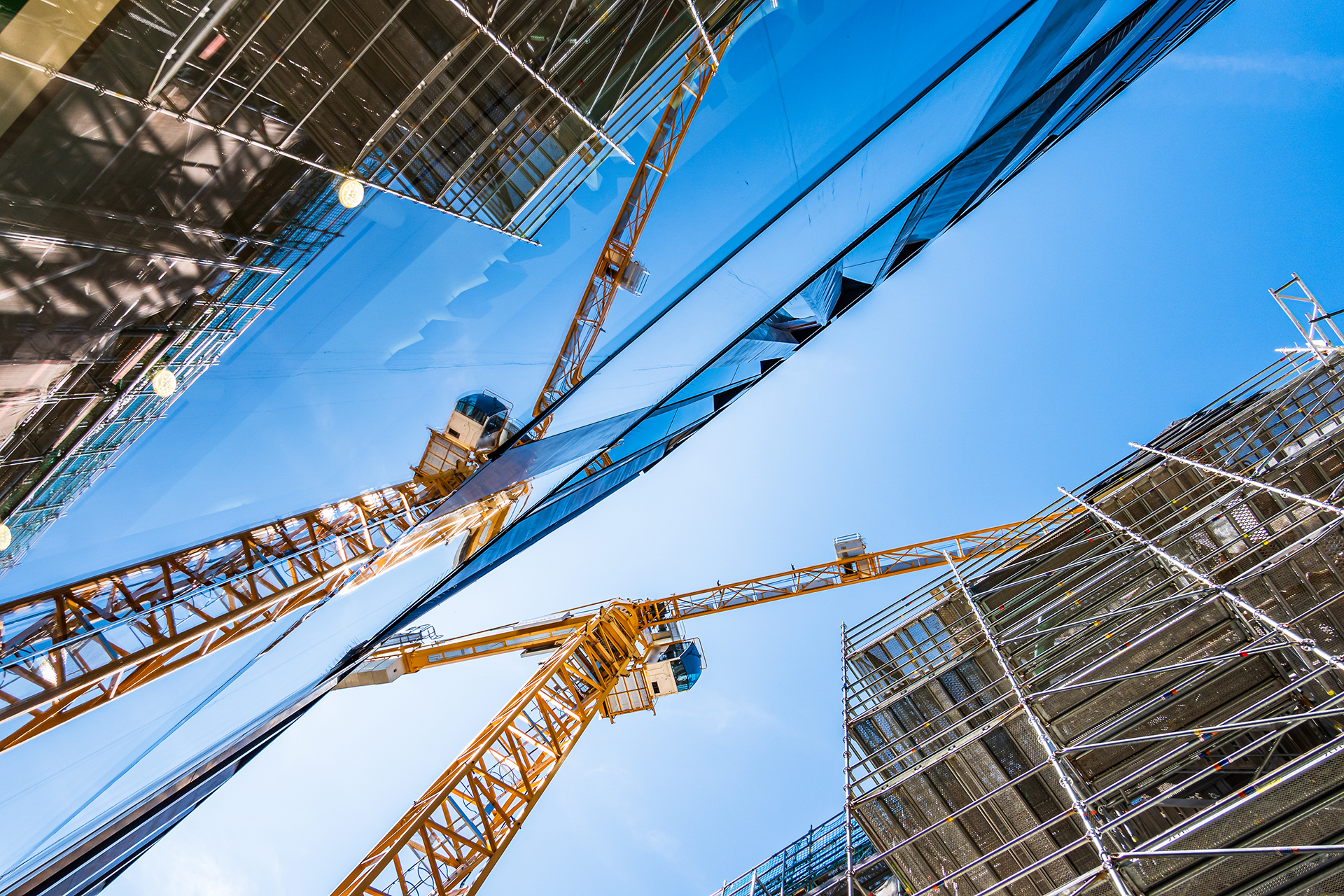
The construction sector is one of the largest industries in Germany and faces the challenge of becoming more sustainable and efficient. New material solutions play a central role in this, as they improve lightweight construction, thermal insulation, and weather resistance. Bio-based and recyclable polymers reduce resource consumption, while smart plastics with integrated sensors enable energy-efficient buildings. Through material innovations, we are driving the ecological transformation of the construction industry and thus promoting sustainable building practices.
Market trends
Sustainability in the construction sector
Recyclable and bio-based materials
Lightweight construction solutions
Digitalization and smart materials
Increase in efficiency
Focus Areas for Materials
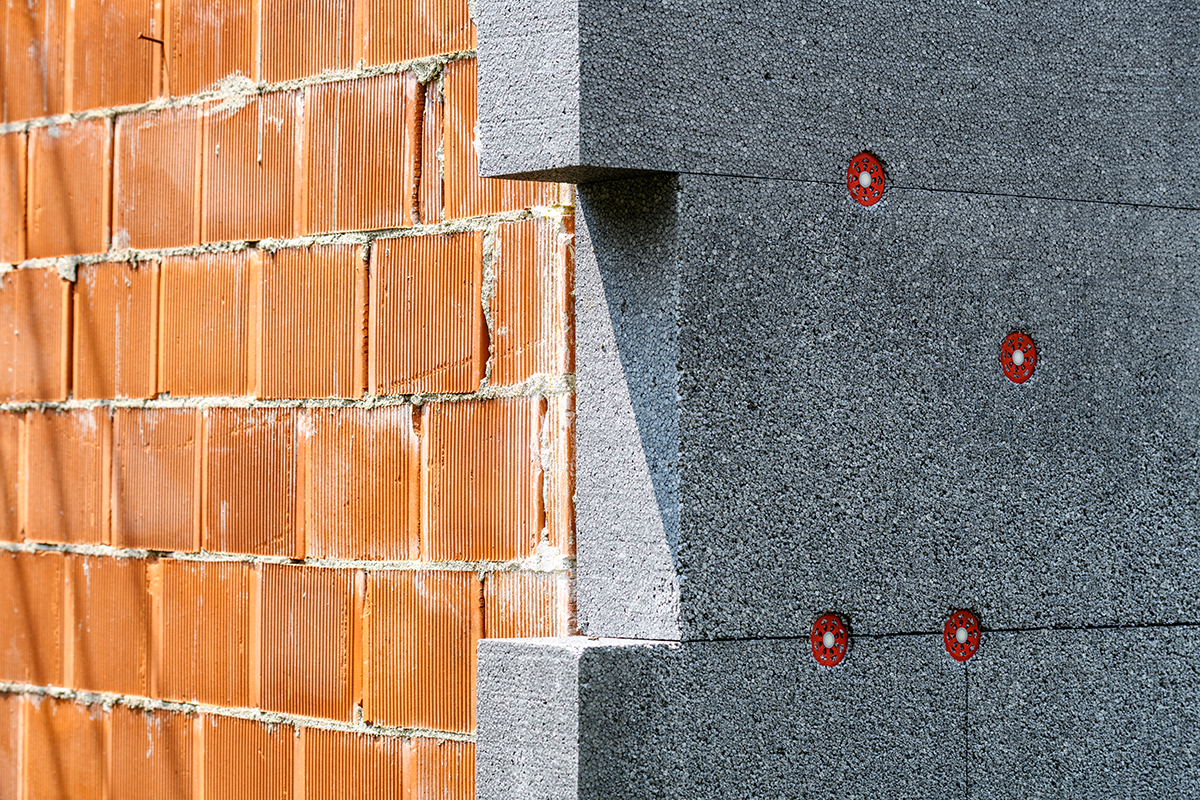
Widely used insulation material in the construction sector: Expanded Polystyrene (EPS)
Thermal insulation
Insulation materials play a crucial role in the construction sector, as they significantly contribute to energy efficiency, sustainability, and living comfort. They minimize heat losses, reduce heating and cooling needs, and thus lower the CO₂ emissions of buildings. In addition to conventional insulation materials such as polystyrene and polyurethane, sustainable alternatives like wood fiber, hemp, and cork are gaining importance. Innovative materials such as aerogels or vacuum insulation panels enable maximum insulation performance with minimal thickness. In the future, recyclability, durability, and environmentally friendly production will be the focus to meet the increasing demands for sustainable construction. We are researching innovative insulation materials that not only help reduce operating costs but also meet legal energy efficiency standards and create a better indoor climate.
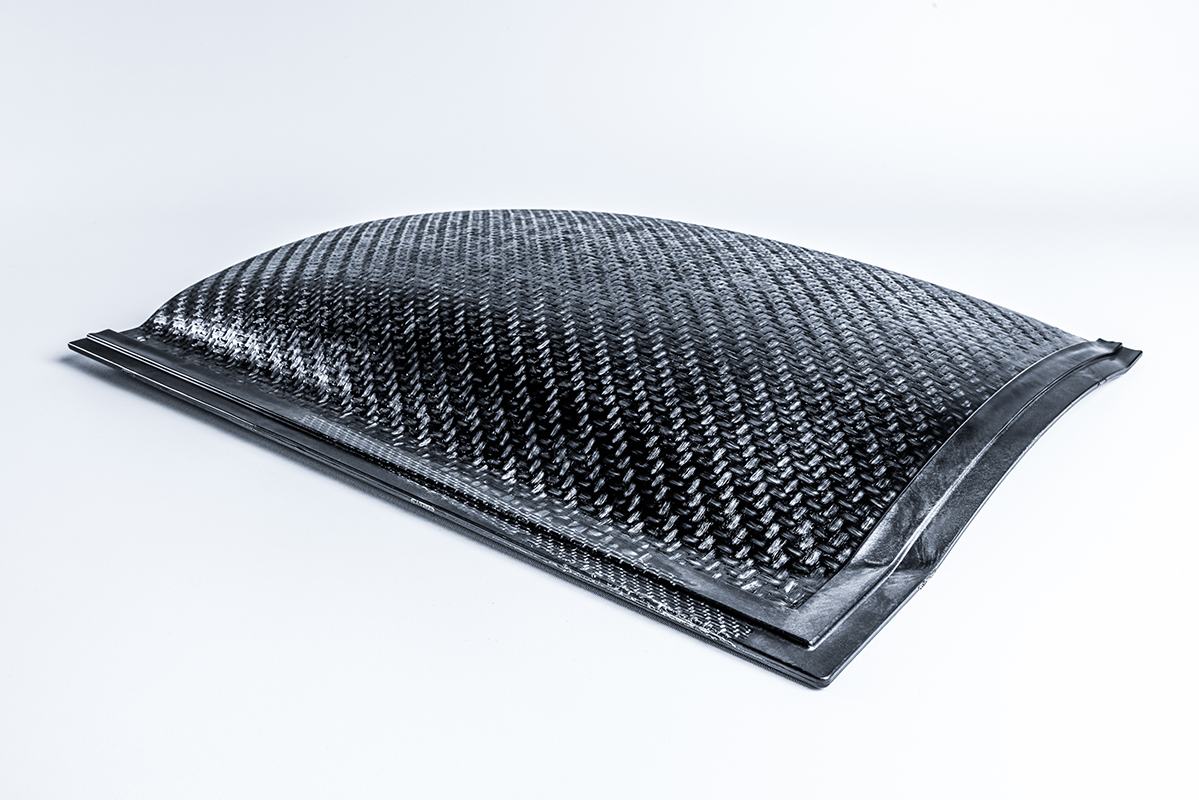
Component made of fiber-reinforced plastic (CFRP) – the combination of high strength and low weight makes this material ideal for lightweight applications.
Lightweight construction
Lightweight materials are becoming increasingly important in construction, as they offer high mechanical stability with reduced weight, thus saving resources and energy. Modern building materials such as fiber-reinforced plastics, aluminum composite panels, and high-strength foams enable innovative construction methods with lower material usage. Wood hybrid constructions and carbon concrete combine strength with sustainability and durability. Especially in modular construction and with prefabricated building elements, lightweight materials ensure faster assembly and lower transportation costs. In addition, they improve the energy efficiency of buildings through better insulation values and lower static loads. We are working on circular, bio-based, and multifunctional materials to further advance sustainable construction practices.

Smart components and building elements enable predictive maintenance and adaptive manufacturing processes.
Smart components and building elements
Smart materials are revolutionizing the construction sector by adapting to environmental conditions and increasing the efficiency of buildings. This includes self-healing types of concrete that repair cracks autonomously, thermochromic glasses that change their transparency depending on temperature, and piezoelectric materials that convert mechanical energy into electricity. Integrated sensors in polymer foams or facade elements enable intelligent control of temperature, humidity, and light. These materials contribute to energy savings, durability, and reduced maintenance. In the future, smart building materials will be combined with AI-supported systems to make buildings even more efficient and sustainable. We are developing foam solutions with integrated electronics for the realization of smart home applications.