

1
Materials
Coatings
The coating of materials and components is crucial for improving their functionality, aesthetics, durability and resistance to environmental influences, wear and corrosion. With comprehensive expertise in the development of protective coatings made of metal, plastic and ceramics, we offer high-performance coating materials and processes as well as resource-saving solutions for the increasing demands of industry. This process is supported by simulation and data-supported methods.
Competencies
Coatings for a wide range of functions and materials
Cross-material material and process development
Development, processing and production of new material systems
Chemical and plasma pre-treatment of surfaces
Coating analysis
Correlation of process, structure, component and properties
Materials overview
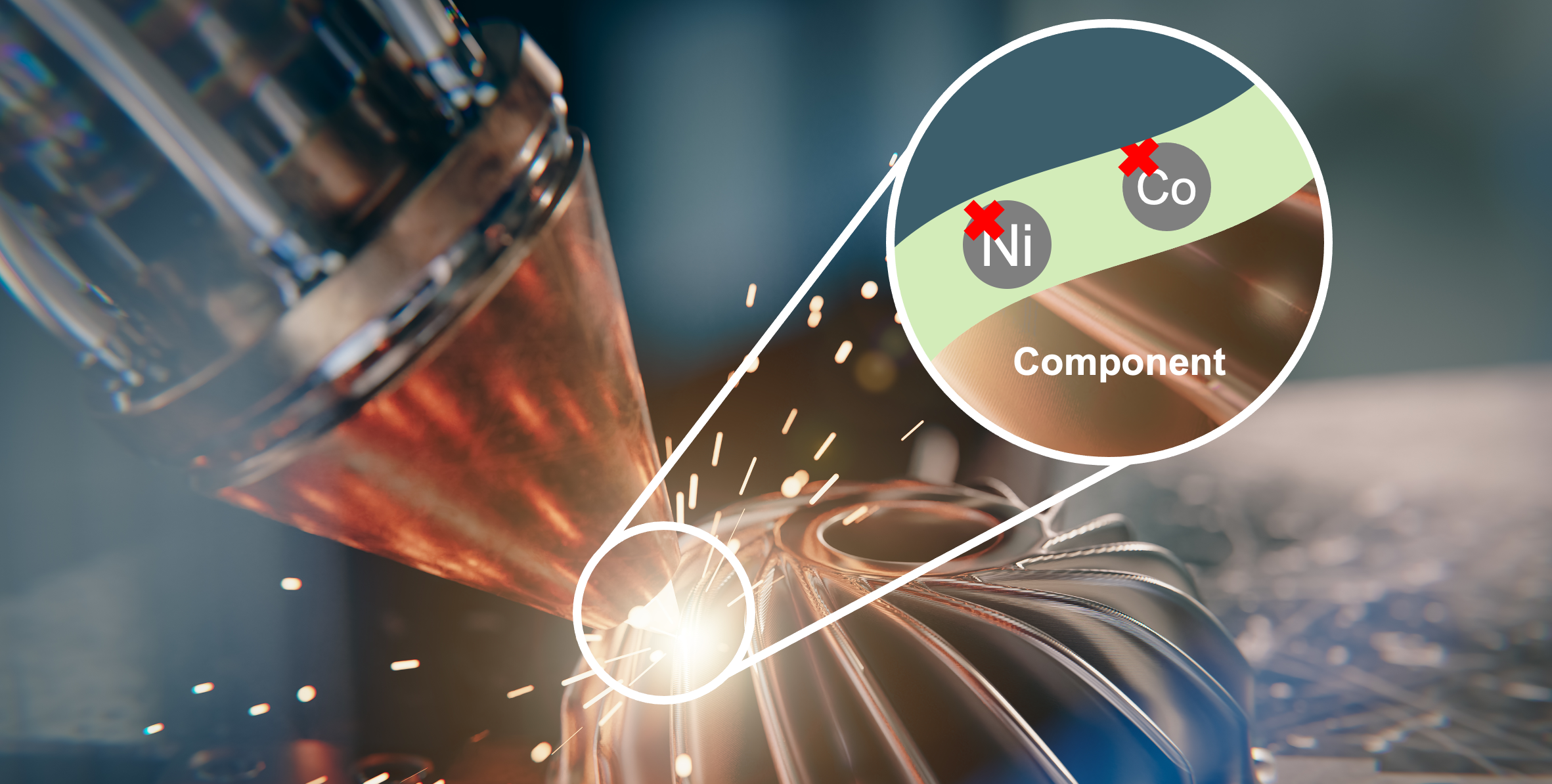
Nickel and cobalt-free coatings
Wear protection coating
Wear protection coatings are essential to protect materials and components against abrasion, friction and mechanical stress. We offer a comprehensive range of high-quality coating systems to increase wear protection in a wide variety of industrial applications. Our solutions are based on proven high-performance materials such as hard metals (e.g. tungsten carbide), ceramics (e.g. aluminum oxide) and metal alloys (e.g. nickel-based). We are also continuously developing new protective coatings to meet the highest performance requirements.
We select the optimum thermal spray process based on individual requirements and operating conditions - such as temperature, mechanical load and medium. These include plasma, arc and cold gas spraying as well as innovative process combinations for maximum protection and durability.
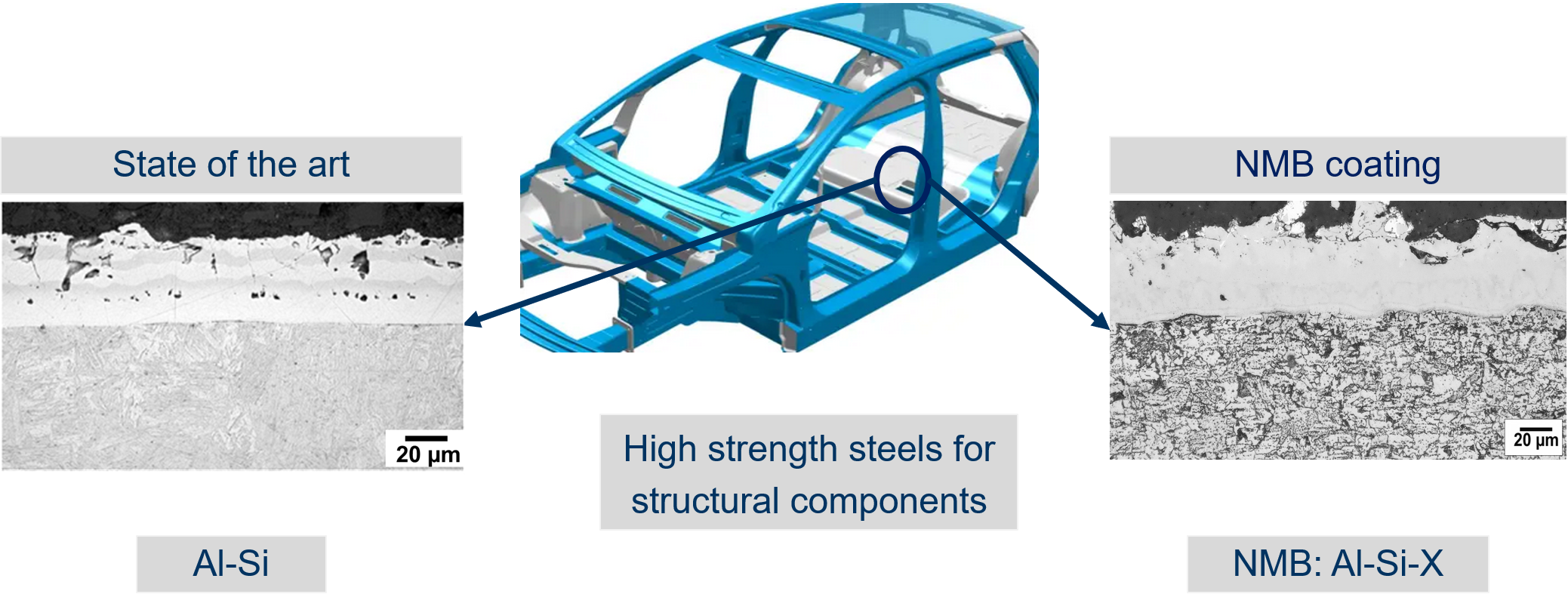
New aluminum-silicon coating
Anti-corrosion coating
We use thermal spraying to precisely apply hard metals and nickel-, cobalt- and iron-based metallic protective coatings to complex components. In this way, we reliably protect the base material from oxidation and corrosion. Thanks to the targeted selection of high-quality coating materials and innovative thermal spraying techniques, we increase the durability and reliability of components - even under extreme operating conditions.
A wide range of coating characterization and component testing methods support the development and precise application of standardized and customized protective coatings - for the highest quality and corrosion protection.
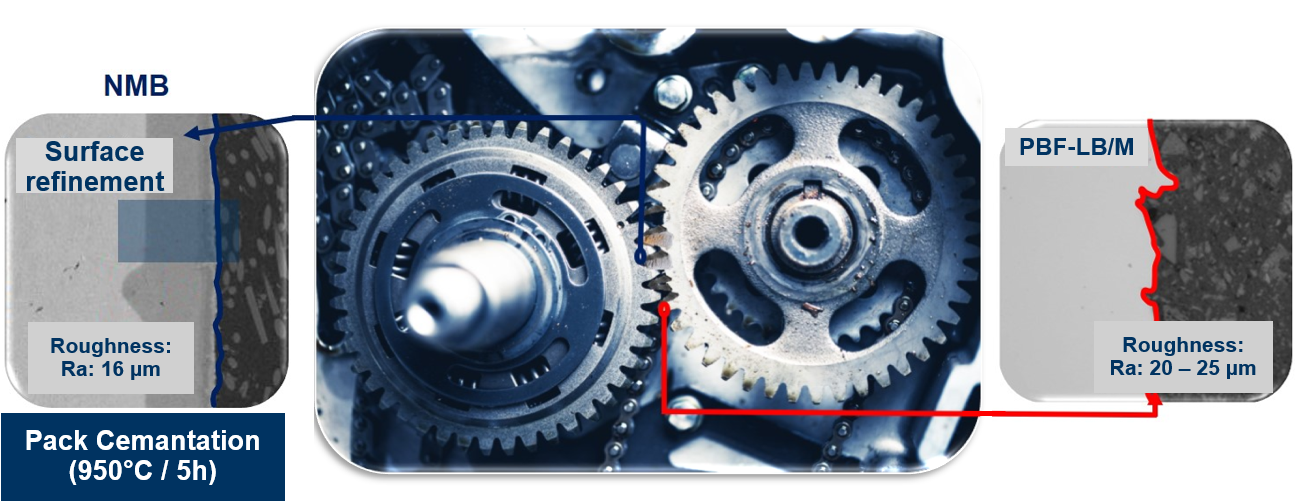
Pack-Aluminizing for additive manufacturing
High-temperature protective coatings
To ensure optimum protection at high temperatures, we apply metal and metal-ceramic hybrid coatings to complex components by thermal spraying. These coatings are specially designed for high temperatures and also offer excellent resistance to oxidation and corrosion.
By developing innovative materials and process combinations, we enable the reliable use of components in demanding thermal environments - for higher performance and longer product life.
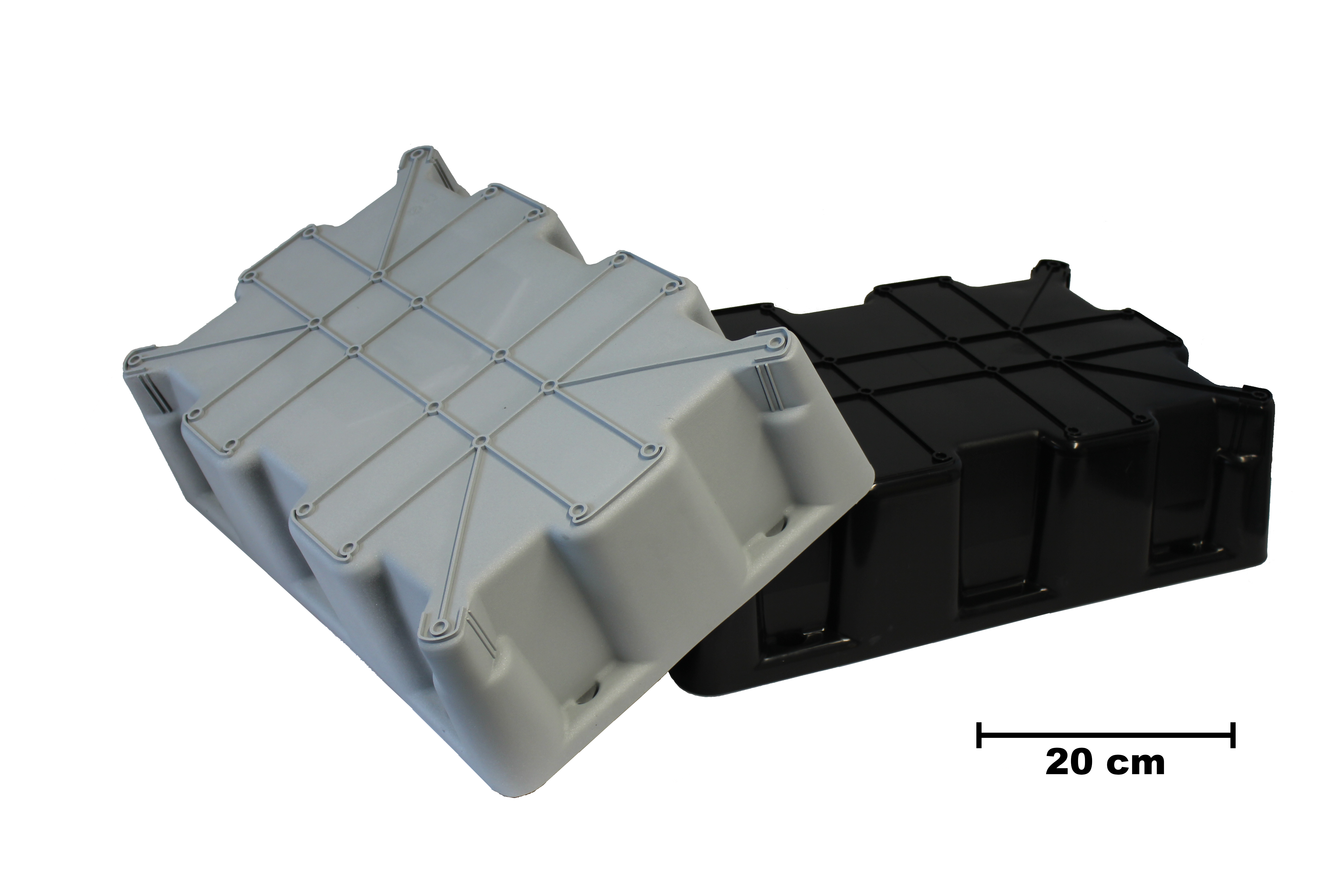
EMC coating for battery housings
Electromagnetic shielding coatings
Special protective coatings are essential for electrical applications in order to protect components from external influences and optimize their performance. We develop and supply both pure metal coatings and metal-polymer hybrid coatings that ensure reliable insulation and effective electromagnetic shielding.
The influence of different protective coatings on the electrical and magnetic properties of the component is precisely analyzed and optimized through a combination of simulations and experimental tests. In this way, we ensure that our solutions offer maximum efficiency and reliability.
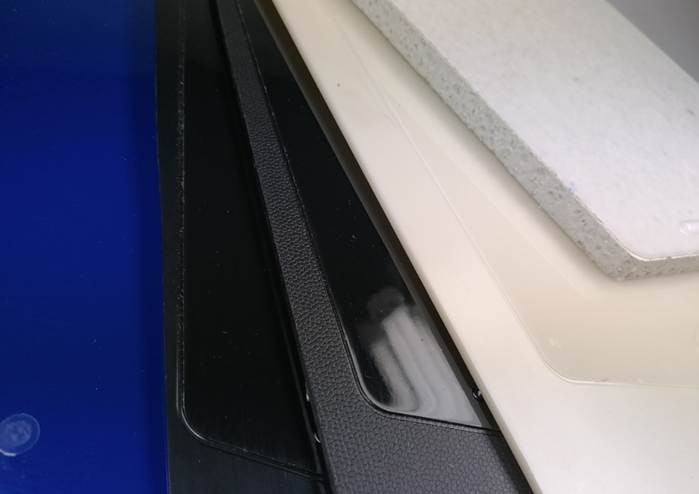
Polyurethane (PU)-coated components
Polyurethane coating
Polyurethane coatings are popular for indoor and outdoor applications due to their UV and media resistance. The polyurethane in-mold coating (PUR-IMC) process offers an elegant appearance with depth effect, high scratch resistance (incl. reflow effect) and precise detail molding thanks to low viscosity. Low temperatures (up to 120 °C) and pressures (up to 150 bar) allow the coating of sensitive parts. The PUR-IMC process is a so-called "one-shot" process in which the plastic component is coated with a reactive polyurethane mixture directly in the injection mold. In addition to the protective effect, coatings with depth effect, self-healing and high quality up to Class A surfaces are possible.