
1
Technologies
Plastics recycling
In light of increasing regulatory requirements across various industries, the demand for high‑quality recycled materials continues to rise. However, the market often lacks solutions that can reliably ensure the required recyclate quality at reasonable costs. We therefore develop innovative recycling technologies that combine economic efficiency with environmental sustainability, including the use of digital methods. From preprocessing to reprocessing and precise analytics, we offer scalable processing technologies. Our technical center is equipped with systems ranging from proof‑of‑concept setups to small‑series production.
Competencies
Extensive experience with various recycling processes
State‑of‑the‑art preprocessing and reprocessing technologies
Mechanical recycling processes from laboratory to pilot scale
Advanced chemical and biological recycling processes
Mapping the entire process chain
Comprehensive analytics and quality assurance
Processing overview
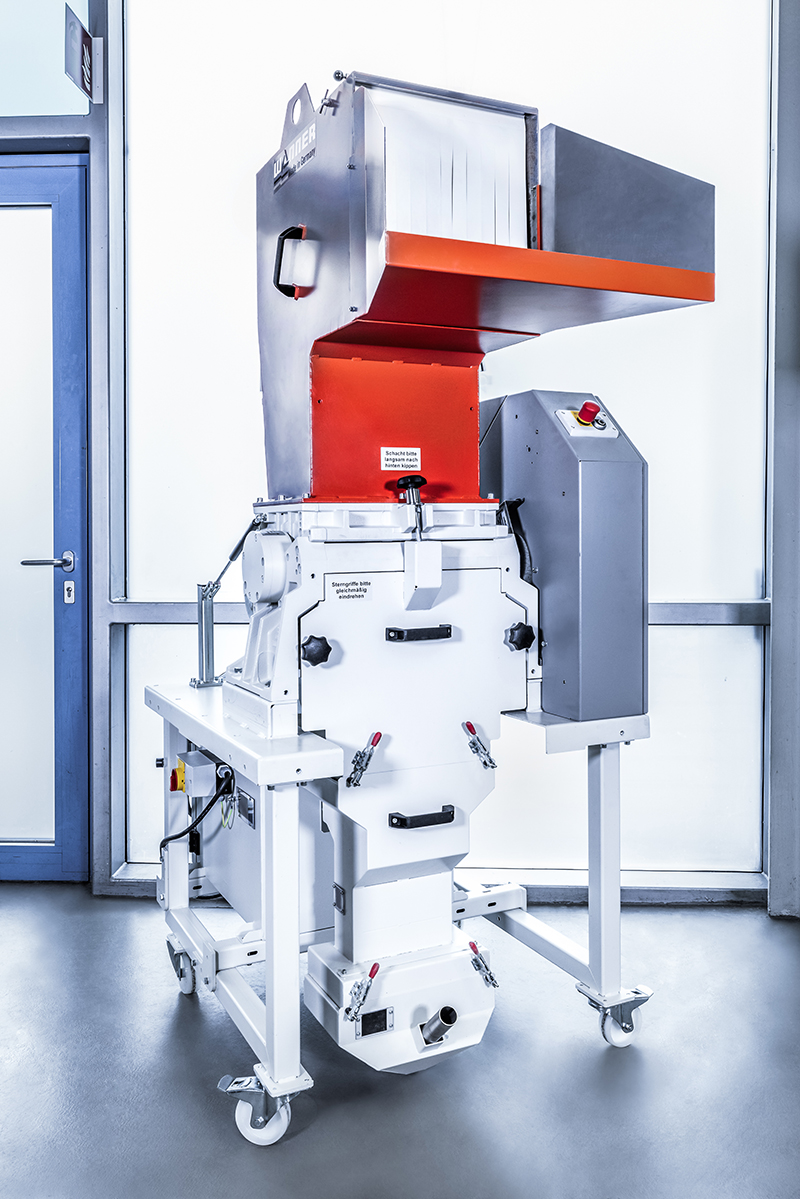
Cutting mill
Pre‑treatment technologies
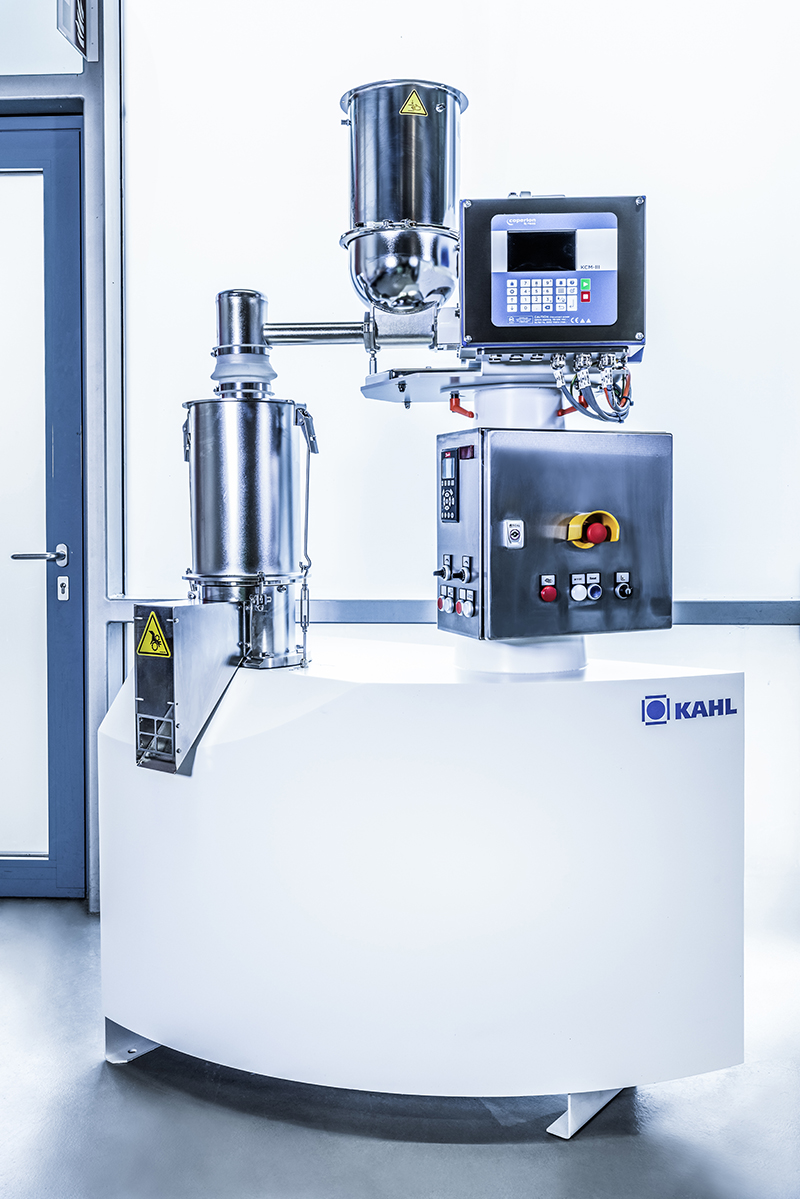
Pre-treatment and preparation processes play an important role in recycling both post‑consumer and post‑industrial components. A variety of technologies are available for this purpose. First, components can be shredded into small particles to enable uniform processing. Pelletizing can then be carried out to improve flowability and achieve effective compaction—particularly beneficial for foams and textile fibers.
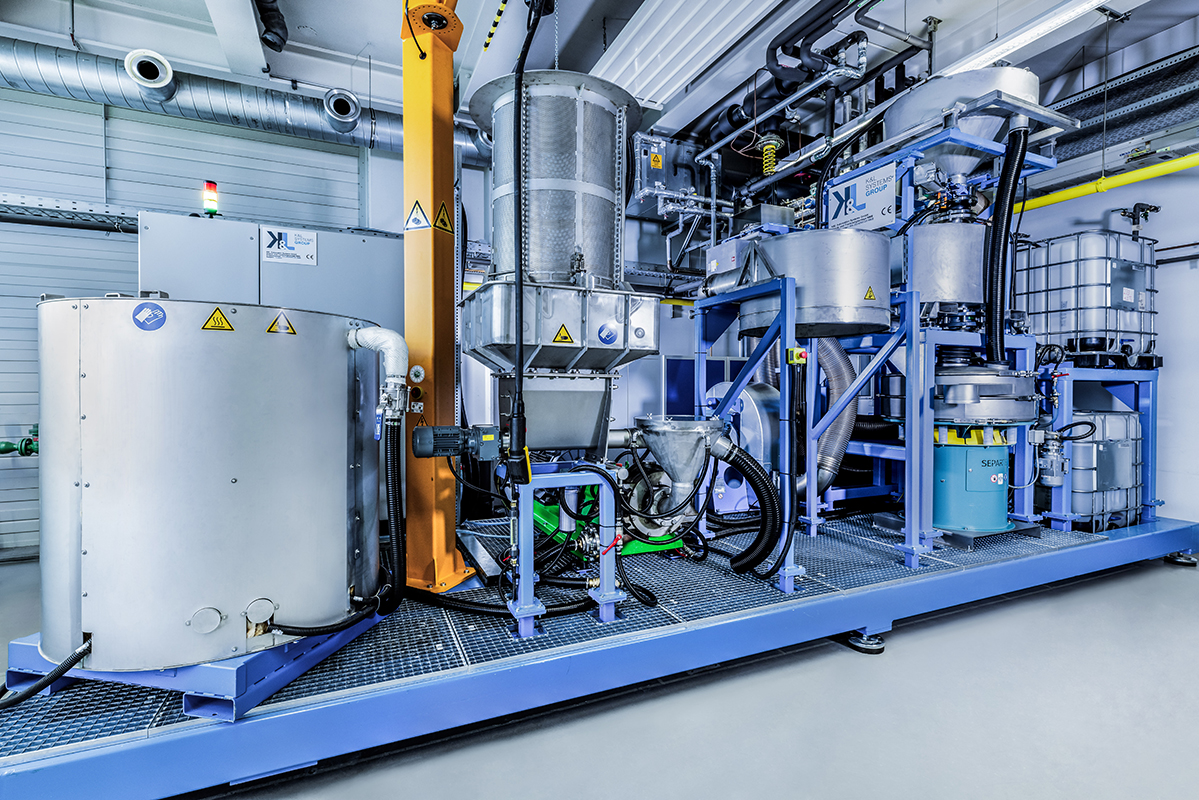
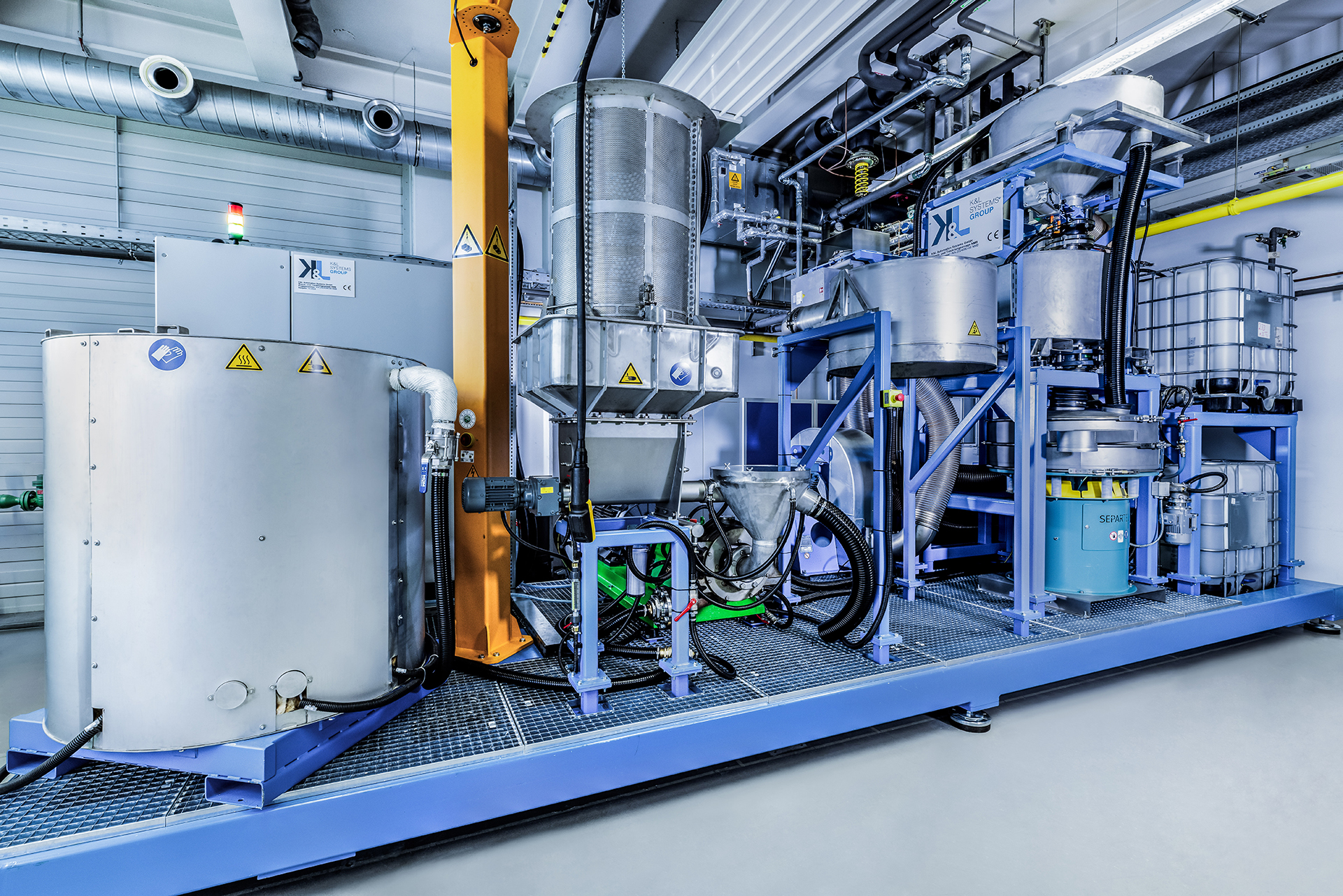
Our modern friction‑based washing process operates at temperatures up to 95 °C and enables both mechanical and thermal drying. Defined friction generated by the disc refiner can also remove coatings from the surface. This method provides an economically viable and environmentally sustainable solution with throughputs ranging from 20 to 120 kg/h—ideal for proof‑of‑principle tests up to small series production. In addition, we integrate expertise in microplastic detection for analyzing the wash water.
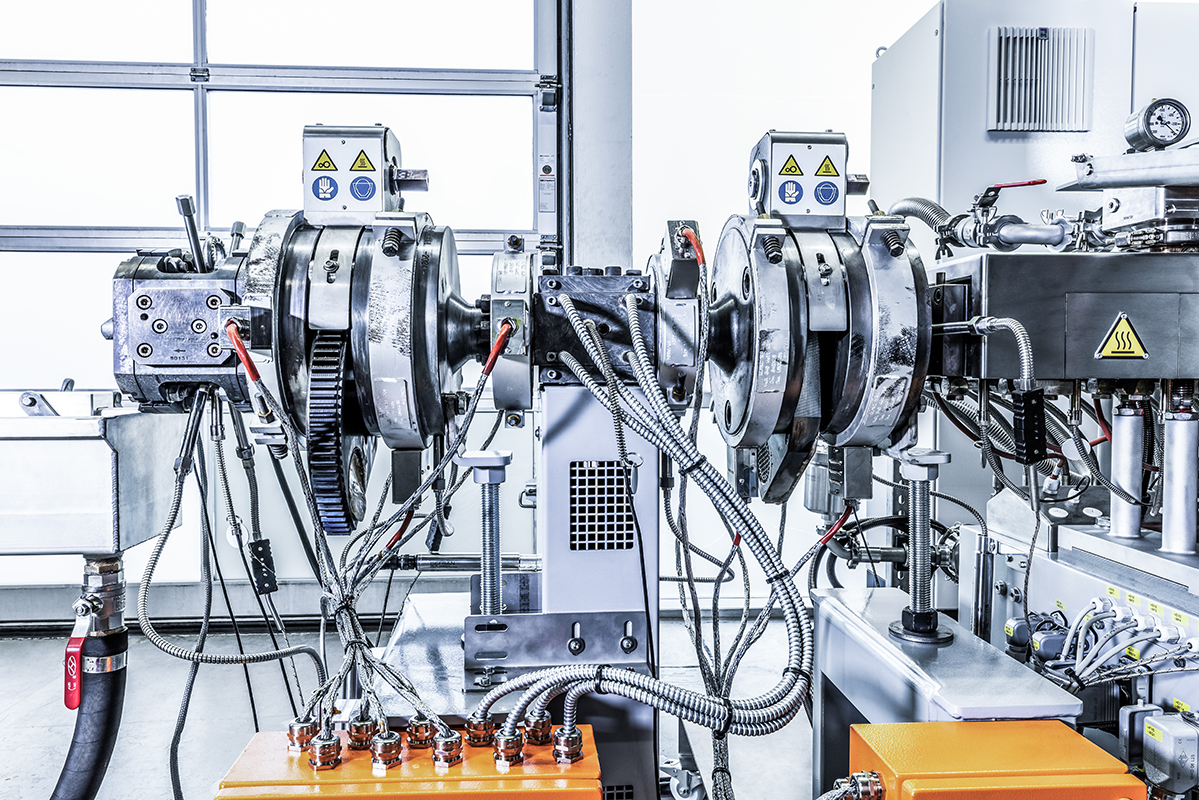
Compounder and filter
Mechanical recycling
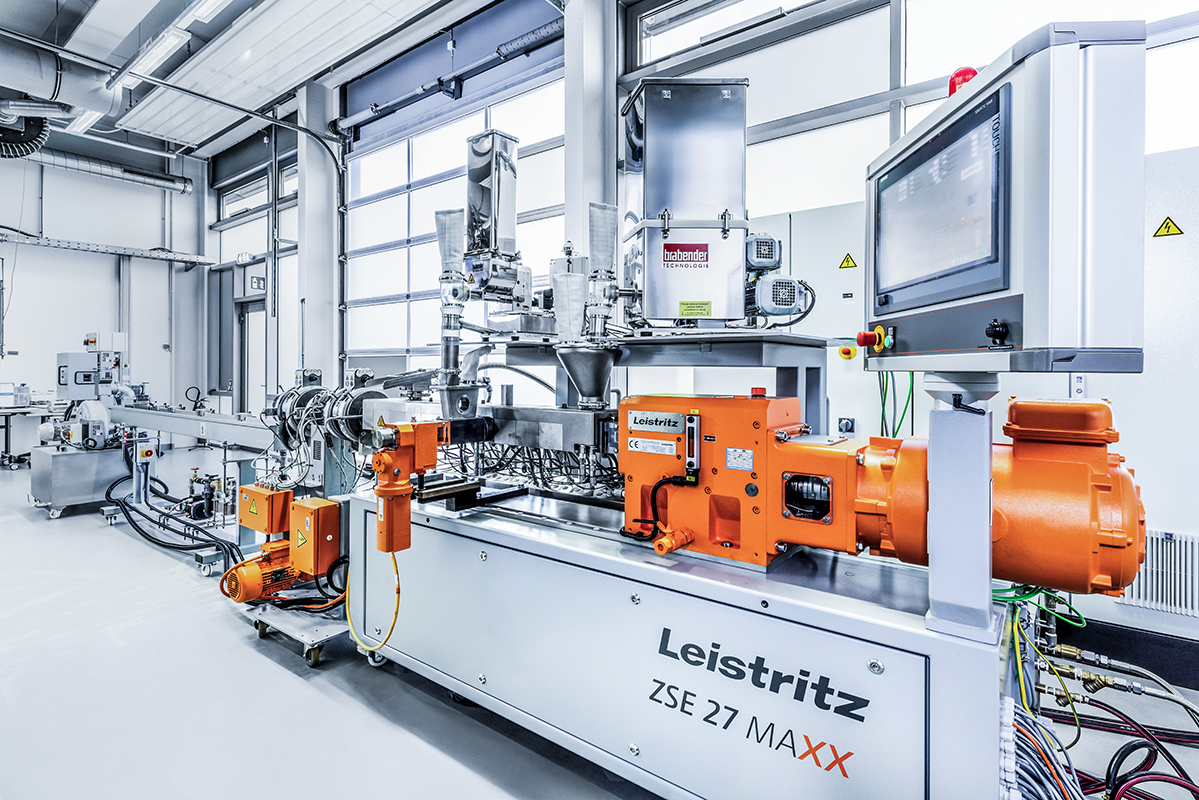
In mechanical recycling, the processed input material is homogenized, additivated, and regranulated through melt compounding. We use a twin‑screw compounder with optional dragging agent to minimize the accumulation of odors. Fine particles are removed via double filtration down to 60 µm before the material is pelletized. The targeted use of additives—such as stabilizers and chain extenders—optimizes the properties of the final product. The typical throughput range is 10 to 100 kg/h.
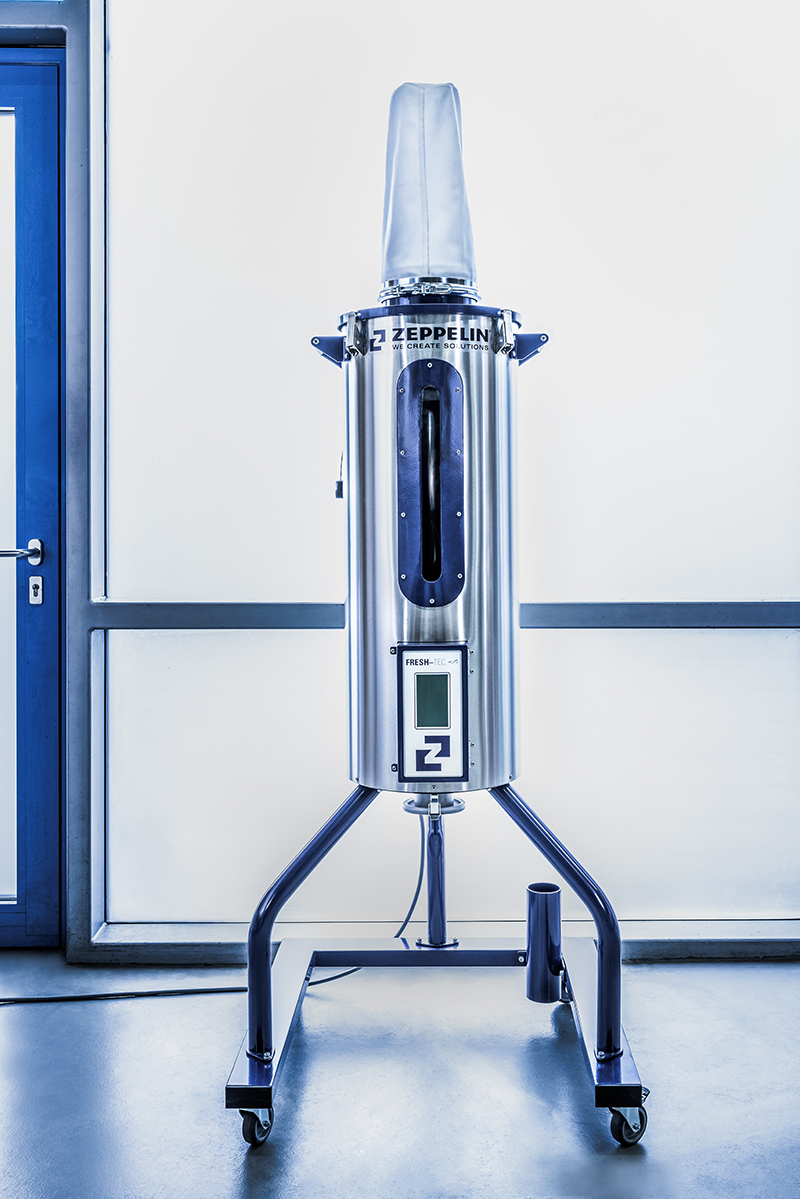
After compounding, optional deodorization is carried out by tempering in a specially designed mini‑silo to effectively remove unwanted odors and long‑chain VOCs that remain in the extruder. In addition, we offer a wide variety of process solutions for the subsequent shaping of the recycled material, such as injection molding and foaming.
Advanced recycling
Advanced recycling
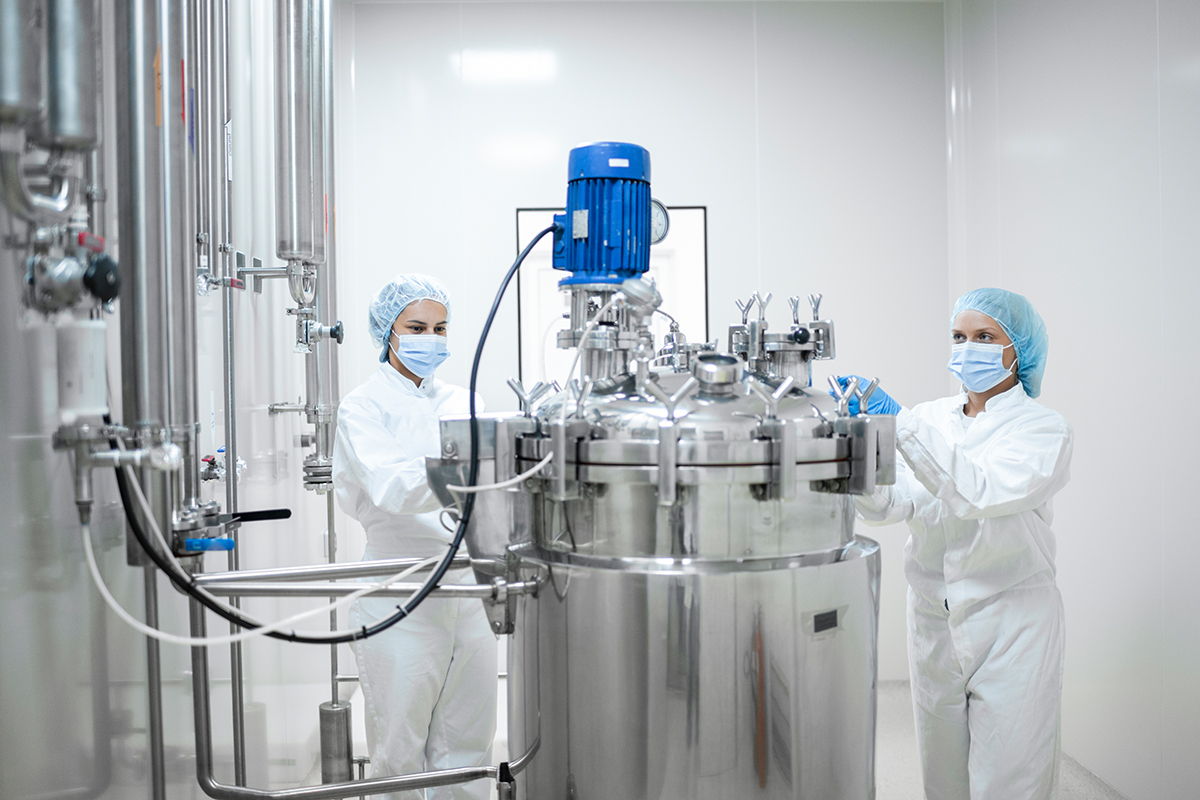
Our advanced recycling encompasses innovative processes that go beyond mechanical recycling. These strategies open up new possibilities for recovering plastics with higher levels of contamination or for use in more quality‑critical industries. The focus includes enzymatic recycling, where materials are gently broken down using enzymatic degradation. In addition, material recycling is expanded through solvent‑based processes to recover specific polymer fractions. Our chemical recycling approach centers on depolymerization, which breaks plastics down into their monomeric building blocks. These processes make a significant contribution to meeting the growing demands for sustainability and resource efficiency.
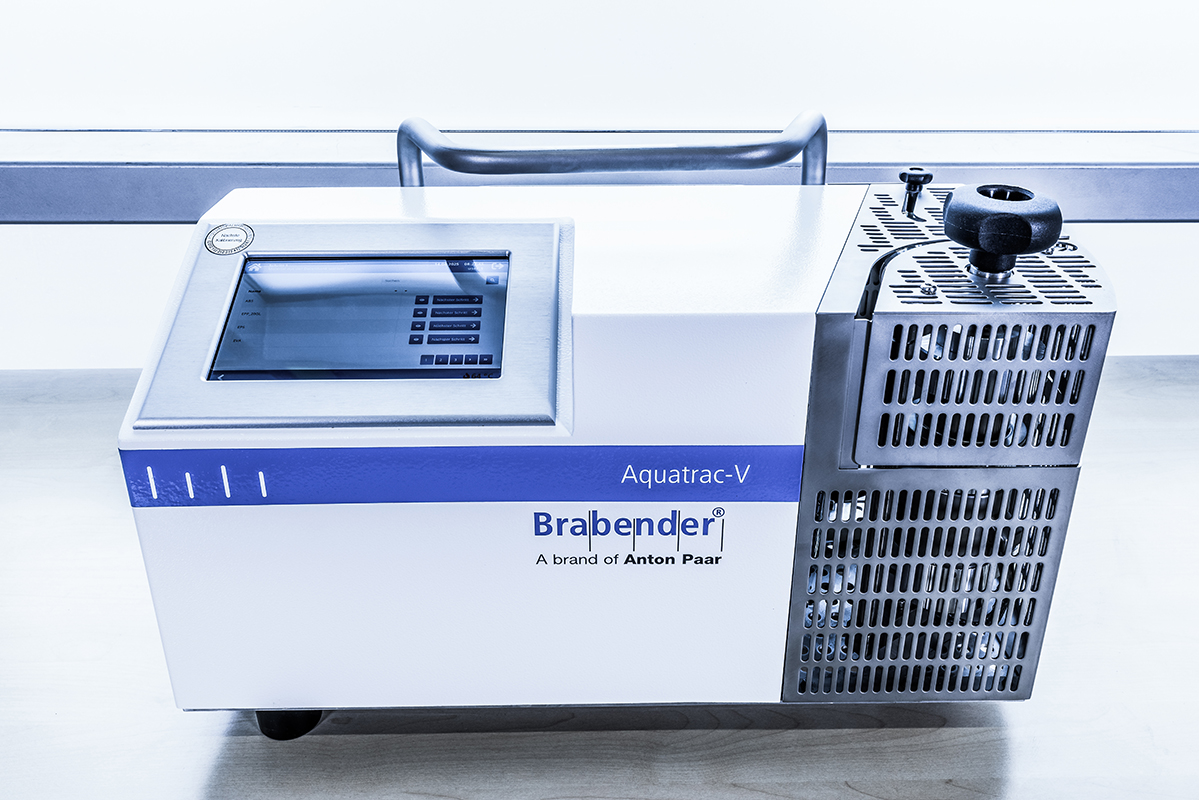
Moisture meter
Material and process analytics
For recycled plastics, we apply a broad range of testing methods. Our analytics are based on international standards such as DIN SPEC 91446 and include standard tests like DSC (Differential Scanning Calorimetry), TGA (Thermogravimetric Analysis), FTIR (Fourier‑transform infrared spectroscopy), and XRF (X‑ray fluorescence analysis). Advanced methods—such as Charpy impact testing, HDT measurement (Heat Deflection Temperature), color analysis, and DSC OIT (Differential Scanning Calorimetry Oxidation Induction Time)—provide detailed insights into mechanical and thermal properties.
Our analytical portfolio is further complemented by advanced techniques including HPLC (High‑Performance Liquid Chromatography), SEC (Size Exclusion Chromatography), rheometry, DMA (Dynamic Mechanical Analysis), ESR (Electron Spin Resonance), SEM (Scanning Electron Microscopy), and NMR (Nuclear Magnetic Resonance), allowing comprehensive investigation of polymer structures.
Additionally, we analyze residual materials—particularly wastewater—to monitor and continuously optimize all process streams, thereby minimizing potential microplastic contamination. We also offer rapid plastic identification to estimate the composition of the overall batch, enabling fast and well‑informed control of recycling processes.
Equipment
K&L Systems washing and drying system
Energy-efficient cleaning and drying of plastic recyclates
| Max. temperature for hot washing | 95 °C |
| Max. drying temperature | 90 °C |
| Throughput | 20 – 120 kg/h |
| Special features | Cleaning through defined friction, energy‑efficient (mechanical) drying |
Leistritz ZSE 27 MAXX – 48D
Twin-screw extruder
| Max. temperature | 450 °C |
| Throughput | 20 – 120 kg/h |
| Filtration | bis 60 µm |
| Special features | Side feeder, vacuum pump, double filtration, pelletizing |
Zeppelin Deo-L
Deodorization / Odor removal
| Max. temperature | 140 °C |
| Residence time | Several hours |
| Capacity | 44 l (ca. 20 kg) |
| Special features | Removal of long-chain VOCs |
AMANDUS KAHL Pellet-Presse
Laboratory pellet pres
| Throughput | Up to 50 kg/h |
| Pellet diameter | 3, 4, 6, 8 mm |
| Pellet length | approx. 2 to 5 × D |
| Special features | Adjustable shear pressure via die portfolio, optimization of flowability, compaction of foams |