

1

Key topics
Digitalization
For us, digitalization is the key to efficient and innovative material and process development. By closely linking IoT, AI-supported analyses and simulations, we optimize our manufacturing processes and increase data quality. Our data-driven research makes it possible to transfer findings from the laboratory directly into industrial production. As a result, our customers benefit from greater speed, precision and consistently high product quality.
Competencies
AI-supported materials research
Automated process chains
Real-time monitoring through inline analytics
Digital twins
Data-driven sustainability assessment
Strategic focus areas

AI-supported materials research
We accelerate the discovery of new materials in all our material classes through precise simulations and pattern recognition, shortening traditional experiments by years. AI models identify promising material combinations, optimize process parameters in real time and thus improve component quality. Advanced algorithms enable data-driven material optimization that drives new application fields such as lightweight construction, energy storage and sustainable technologies. The application of Bayesian optimization and AI-supported design of experiments enables targeted parameter variation for more efficient materials research. Through self-developed algorithms, we capture interactions between microstructure and macroscopic properties more precisely to predict material behavior across different scales.
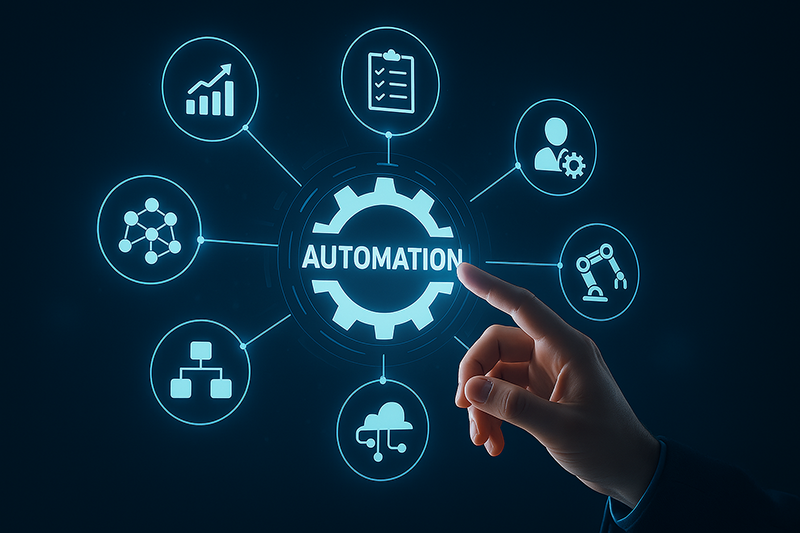
Automated process chains
Thanks to our existing IoT infrastructure, we are able to control machines via an edge device. This allows us to automate our systems regardless of the manufacturer. This not only maximizes process stability, but also compensates for the shortage of skilled workers. By taking a holistic view of the process chain, we produce qualitative, domain-specific data. This enables us to detect anomalies and use machine learning to control the process without human intervention.
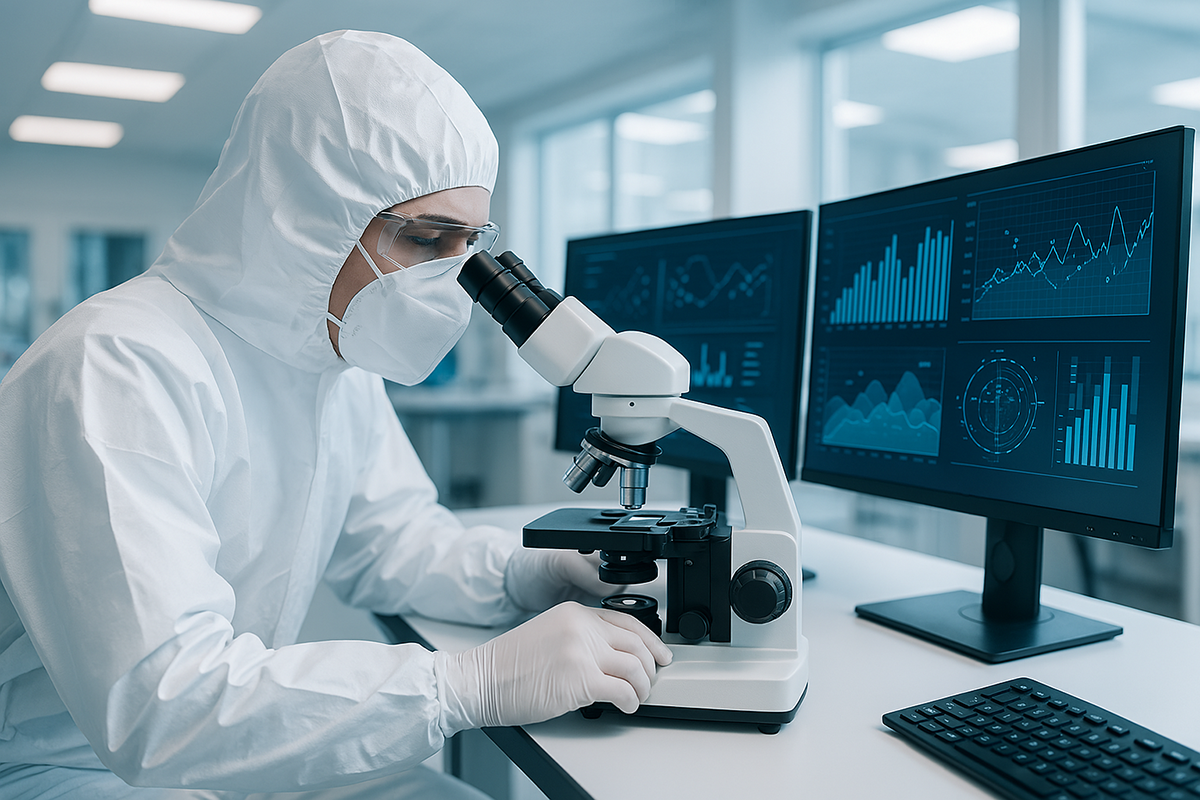
Real-time monitoring with inline analytics
We use high-precision sensors to continuously record all relevant process and material parameters. Inline analytics make it possible to detect alarm conditions, stop processes if necessary and prepare data for analysis across all processes. Direct integration into the production process replaces downstream quality controls and creates the basis for digital product passports. In this way, we reduce waste, improve energy efficiency and ensure a high level of process stability.
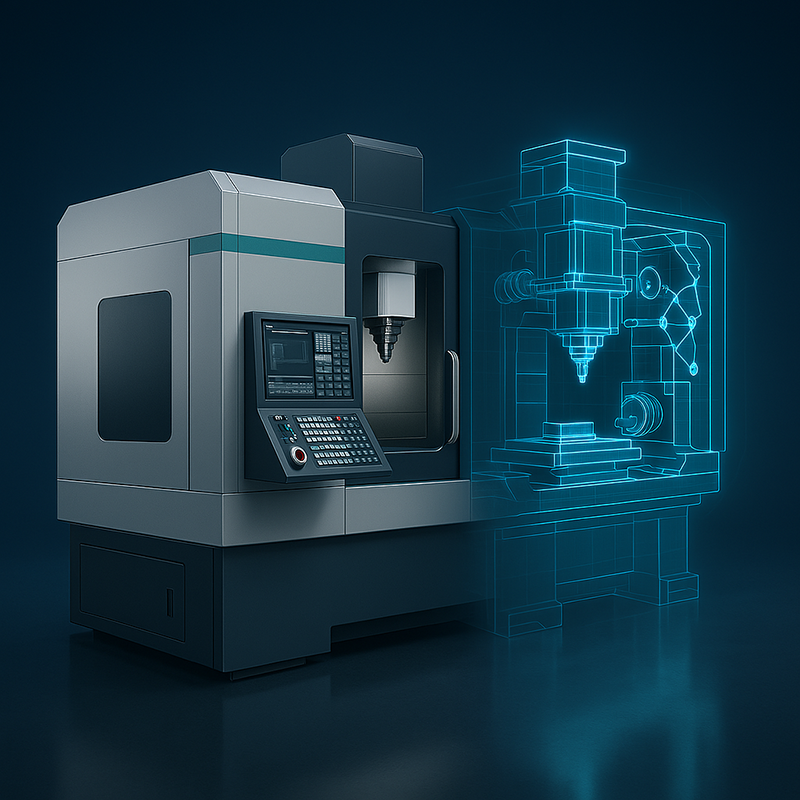
Digital twins
Digital twins enable us to make more precise simulations and predictions about properties under real conditions in materials research. This shortens development times and reduces testing costs. In material processing, they optimize production processes through the virtual mapping and analysis of process parameters, which minimizes waste and increases energy efficiency. They also facilitate the continuous improvement of materials and processes by enabling data-based adjustments in real time.

Data-driven sustainability assessment
We use digital methods such as life cycle analyses to enable a precise assessment of the environmental footprint along the entire value chain. By connecting all plants to our IoT infrastructure, we collect data in real time and enable a comprehensive view of all scopes. This allows us to carry out component-specific analyses ourselves and perform a detailed process evaluation. Real-time data acquisition and digital twins optimize resource-intensive processes, for example through more efficient powder cycles, energy-optimized cooling strategies and data-driven material usage. Digitalization serves as a central lever for sustainability by creating transparency, accelerating optimization measures and enabling a continuous reduction of the ecological footprint.